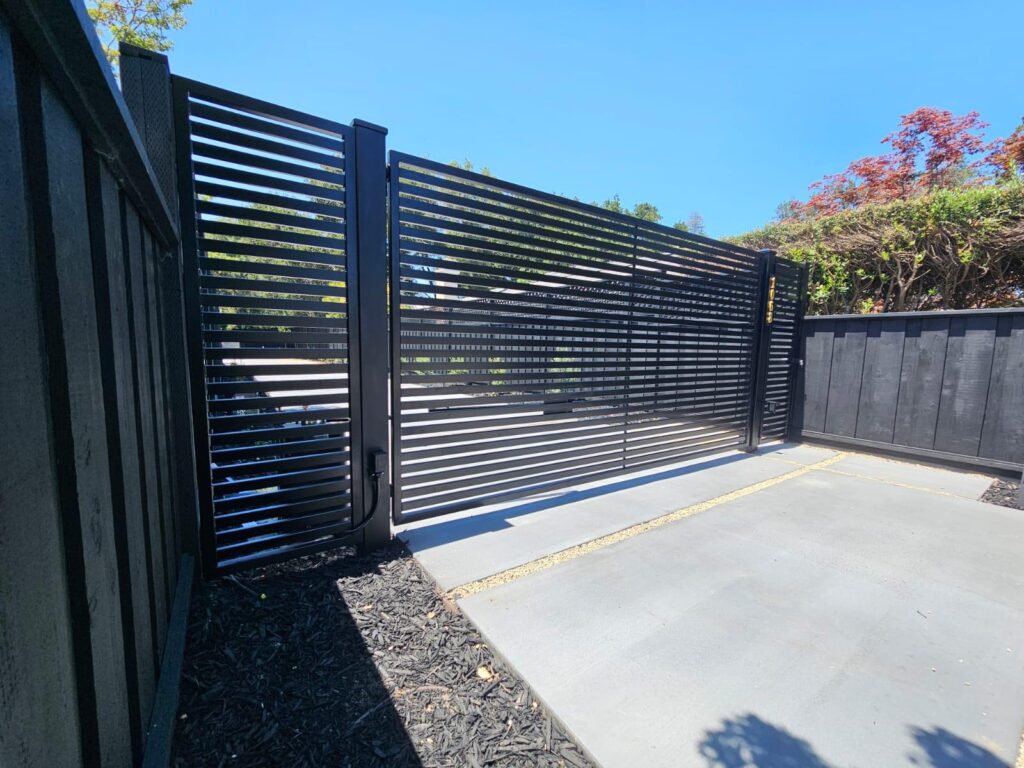
Swing Gate vs Sliding Gate for Residential Driveways: Which One Should You Choose?
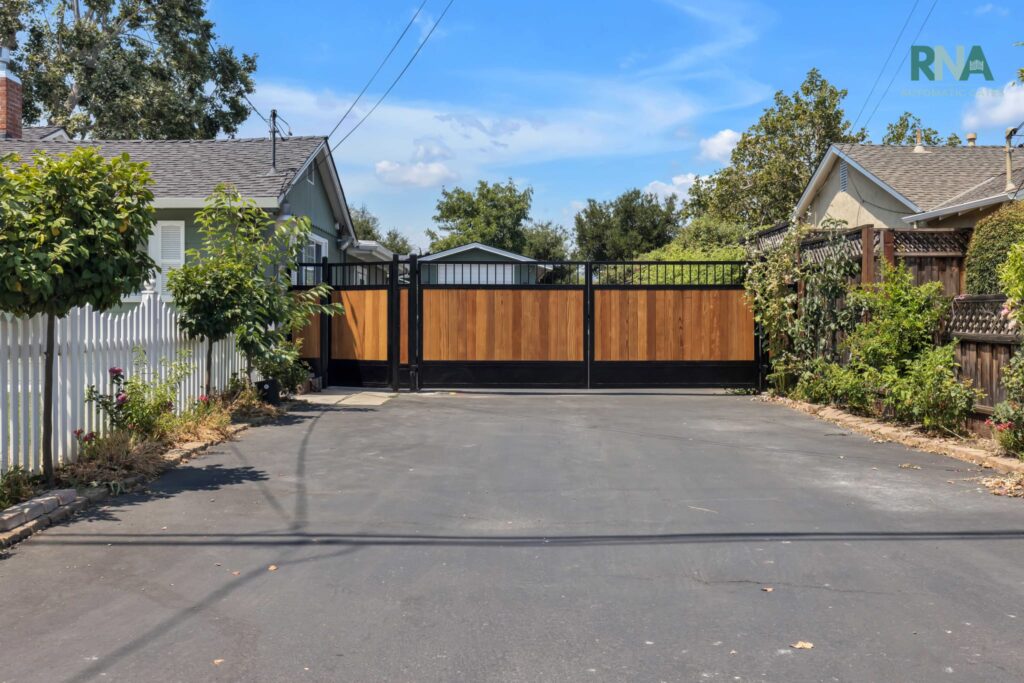
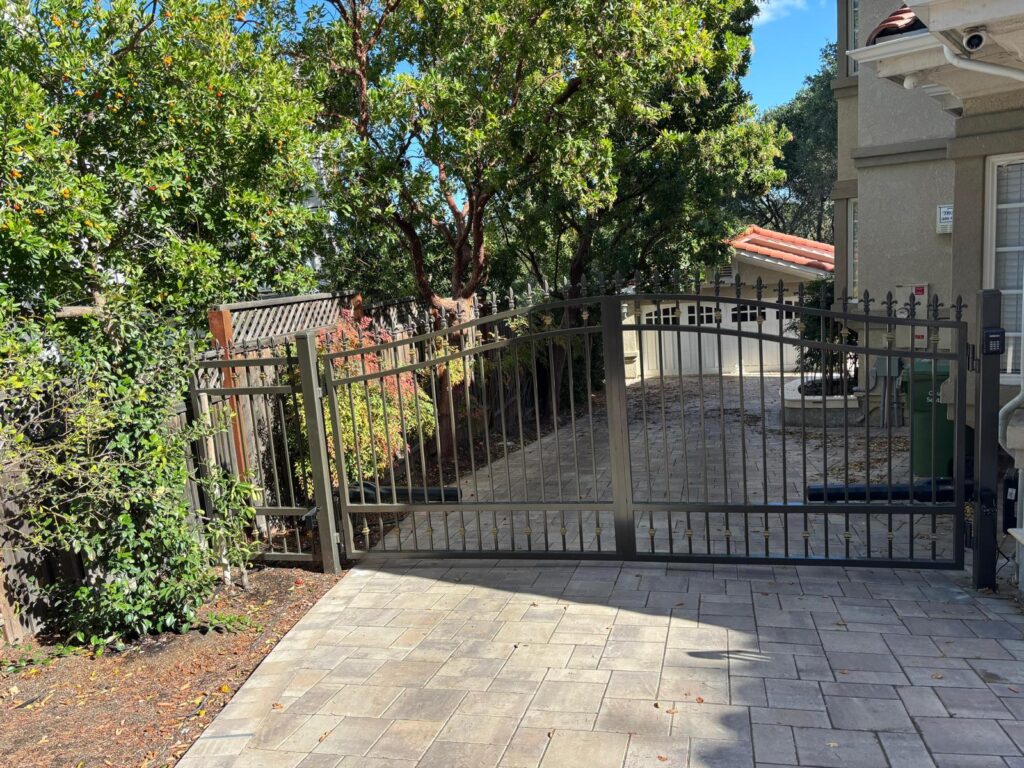
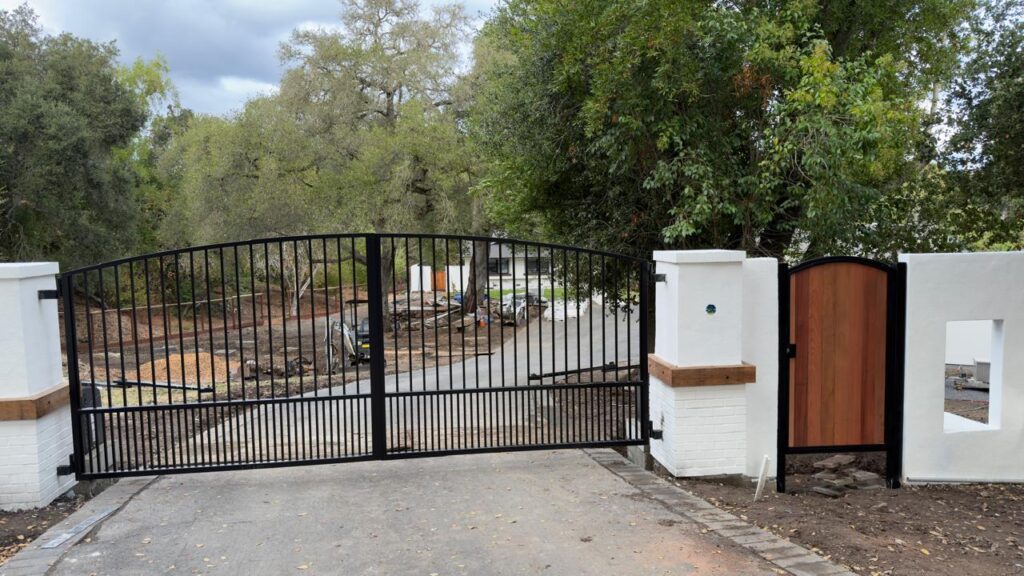
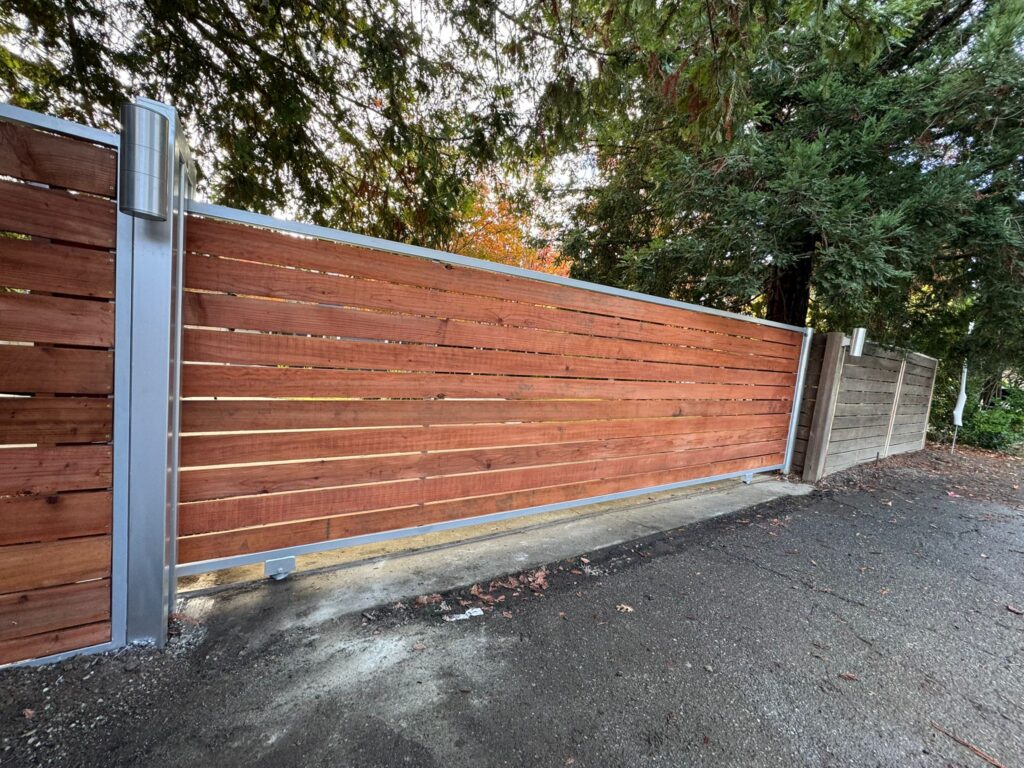
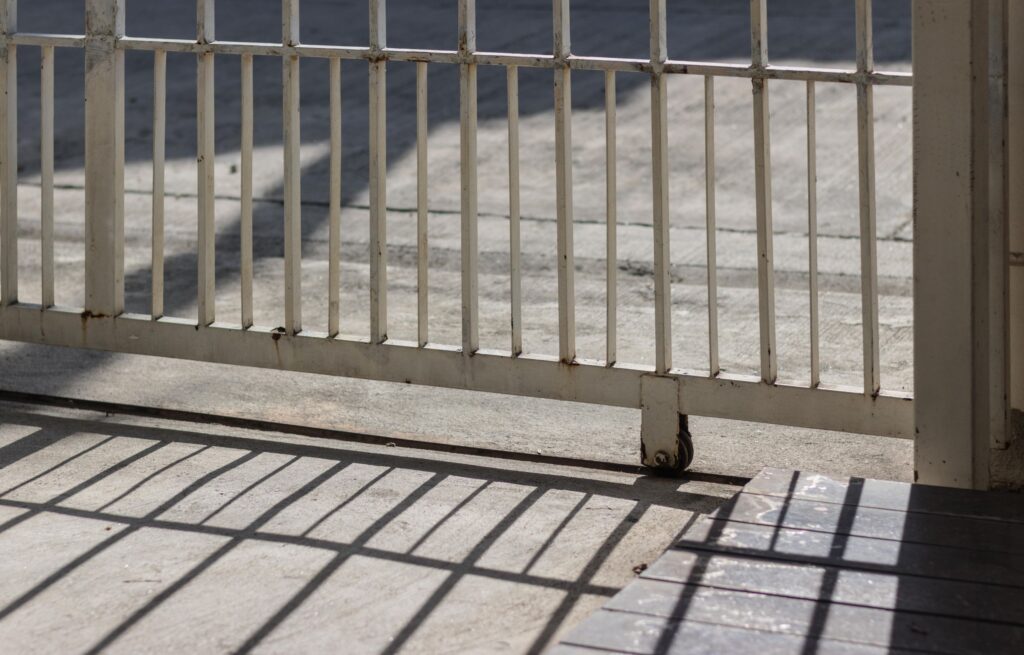
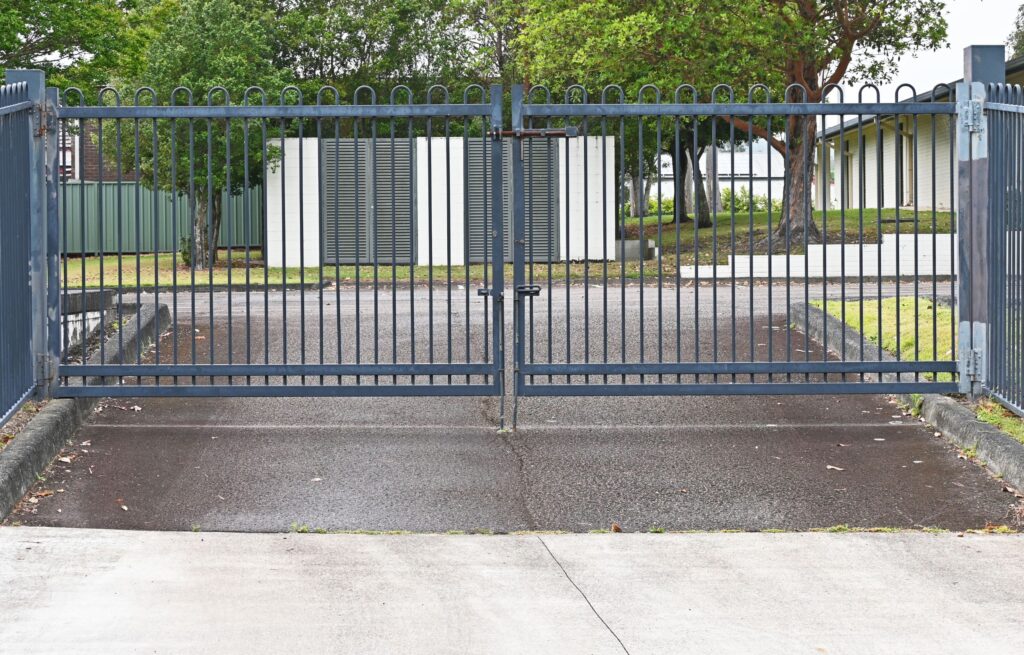
Blog & News Swing Gate vs Sliding Gate for Residential Driveways: Which One Should You Choose? jay jay Sep 28, 2026 Article, Uncategorized A complete automated driveway gate installation runs between $4,500 and $12,000 for most residential properties in the South Bay — and the single biggest variable in that range isn’t the material or the brand of opener. It’s the gate style you pick. Swing gate vs sliding gate for residential driveways is the question we hear almost every week, and getting it wrong costs homeowners real money in retrofits and repairs down the road. If you’re planning driveway gate installation San Jose or anywhere nearby, this breakdown will walk you through the actual numbers — labor, hardware, site prep, opener, and overhead — so you can make a confident decision before anyone starts digging. What a Full Driveway Gate Installation Actually Costs — Line by Line Before comparing styles, let’s establish what makes up the total bill. Here’s a realistic line-item breakdown for a mid-range automated residential gate: Cost Component Swing Gate Sliding Gate Gate panel fabrication $1,200 – $3,500 $1,500 – $4,500 Opener / operator $800 – $1,800 $1,200 – $2,500 Post & hinge hardware $300 – $600 $400 – $900 (track + roller) Electrical rough-in $400 – $700 $400 – $700 Concrete & site prep $350 – $800 $600 – $1,400 Labor (installation) $900 – $1,800 $1,100 – $2,200 Service call / permit fee $150 – $300 $150 – $300 Overhead & margin ~15–20% ~15–20% Typical total $4,500 – $8,200 $5,800 – $12,000 Sliding gates cost more across almost every line. The track system, the heavier operator, and the additional concrete work for a proper foundation all add up. That doesn’t make sliding gates the wrong choice — but it does mean you should have a solid reason to spend the extra money. We’ll get to those reasons shortly. How Swing Gates Work and What They Cost to Install A swing gate is the classic style: one or two panels hinged to posts, swinging inward or outward like a front door. A double swing gate splits the opening across two leaves that meet in the middle. A single-leaf swing gate is common for openings under 14 feet. What drives the cost on a swing gate: Hinge quality. Cheap weld-on hinges fail within three to five years under the stress of a 400-lb iron panel. We spec adjustable, heavy-duty commercial hinges on every job we do, which adds $150–$300 to materials but saves a callback later. Post depth. In the Santa Clara Valley, we routinely hit clay soil within 18 inches. A swing gate’s posts carry the full cantilevered weight of the panel, so we pour those footings 36–42 inches deep — sometimes deeper on hillside lots. Expect $150–$300 in extra concrete if your soil is soft or expansive. Operator placement. Underground operators (like a Viking or FAAC unit) are the cleanest-looking option for swing gates and run $1,400–$2,200 installed. Above-ground linear actuators are less expensive at $800–$1,400 installed, but they’re exposed to the elements. The big swing-gate advantage is simplicity. Fewer moving parts means fewer things that break, and parts are easy to source anywhere. Looking for Affordable Garage & Gate Repairs? We offer quality service at competitive rates. Call (650) 912-1200 today to schedule your repair. How Sliding Gates Work and When They’re the Smarter Choice A sliding gate travels horizontally along a track (or hangs from a cantilever system with no ground track at all). The panel stacks to one side of the opening when open, which requires a clear run of space equal to at least the gate’s full width — plus about 18 inches for the operator. What drives the cost on a sliding gate: Track vs cantilever. A ground-track system is cheaper ($400–$900 for hardware) but requires the track to stay clean and level — a problem on properties with leaves, debris, or significant frost heave. A cantilever system eliminates the ground track entirely and runs $700–$1,500 in hardware, but the posts and beam need to be engineered for the load. We almost always recommend cantilever for Bay Area properties. Motor torque requirements. A sliding gate can weigh 600–1,200 lbs on a wide opening, so you need a beefier operator. LiftMaster, Viking, and FAAC all make commercial-grade slide operators, and they range from $1,200 to $2,500 installed. Concrete pad for the stacking zone. The area where the gate slides open needs a hard, level surface. If that zone is currently gravel or lawn, budget $600–$1,200 to pour a proper slab. For a deeper comparison of Bay Area-specific considerations, our swing gate vs sliding gate guide covers soil movement and coastal humidity factors in more detail. Space, Slope, and Soil: The Site Factors That Often Decide for You Here’s the honest truth: for about 40% of the properties we assess, the yard itself makes the decision — not the homeowner’s preference. When your site points to a swing gate: You have a flat driveway apron with at least 10–12 feet of clearance in front of (or behind) the gate for the panels to swing without hitting a parked car or a tight turn. Your driveway is level or has a very gentle slope (under 3%). A steeply graded apron means swing panels risk dragging the ground as the hinge settles. Your opening is under 16 feet wide. Wide single-leaf swing gates are ungainly and put enormous stress on hinges. When your site calls for a sliding gate: Your driveway slopes toward the street — very common on San Jose hillside lots.
Swing Gate vs Sliding Gate for Residential Driveways: Which One Should You Choose? Read More »