Uncategorized

Retrofit vs. New Install: Choosing the Right Gate Path for Santa Clara Residences

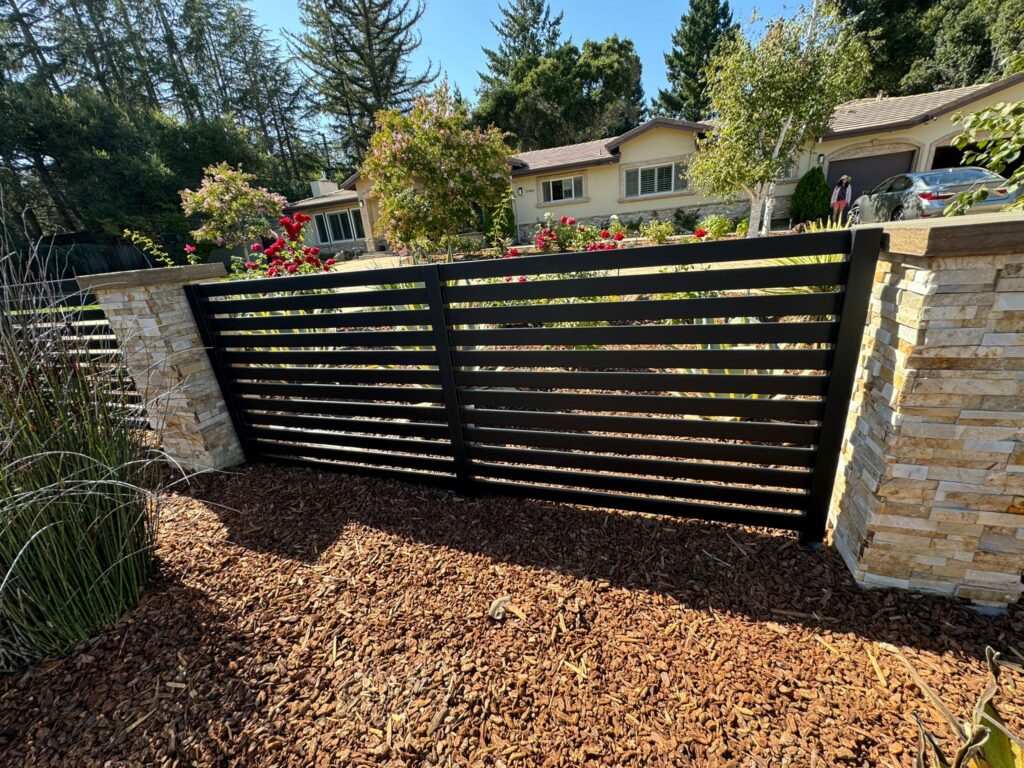
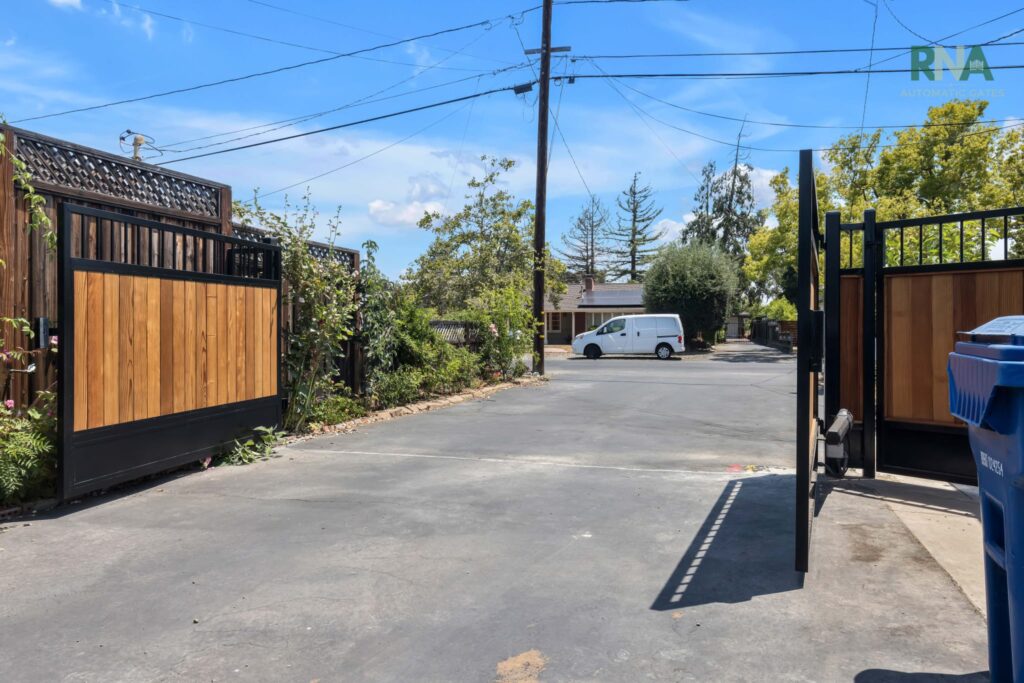
Blog & News Retrofit vs. New Install: Choosing the Right Gate Path for Santa Clara Residences jay jay Dec 26, 2025 Article, Uncategorized Thinking about upgrading your home’s gate? If you are planning a gate installation Santa Clara, you might be wondering whether to retrofit your current system or go for a completely new one. This is one of the most common questions homeowners face when it comes to improving safety, convenience, and curb appeal. Both choices have benefits and challenges. Let’s take a closer look to help you decide which is best for your Santa Clara home. Retrofit or Start Fresh? Understanding the Core Difference A retrofit means keeping your current gate’s frame or structure but upgrading parts like motors, wiring, or automation systems. It is like giving your gate a second life. This choice is great for gates that still look good and work fine but need modern features like smart controls or quieter motors.A new installation means replacing everything and starting from scratch. This gives you the freedom to choose the size, material, design, and technology you want. You can pick how your gate looks, how it opens, and how it connects to your smart home system.The main difference comes down to how much of the old system you keep. A retrofit builds on what you already have, while a new installation starts clean. Both can work beautifully depending on your home’s structure, age, and your goals. When Retrofitting Makes Sense in Santa Clara Homes For many homeowners, retrofitting makes sense when the gate’s structure is still in good shape. If your gate is strong but the opener is slow or outdated, upgrading it is a practical way to save money. Retrofitting can give you new performance without replacing the whole system.Benefits of Upgrading Older Systems Cost Savings: Retrofitting is usually less expensive than starting from scratch. It lets you reuse what still works, which lowers material and labor costs. Faster Installation: Because you keep much of the existing structure, upgrades can be done quickly, often within a few days. Keeps Your Style: Many Santa Clara homes have unique architecture. Retrofitting allows you to keep the design that fits your home’s look while improving how it works. Less Waste: By reusing materials, you reduce waste and make your project more eco-friendly. Simple Maintenance: Since most of the structure stays the same, maintenance is easier and more predictable. Retrofitting is ideal if your existing gate fits your driveway well, looks good with your home, and just needs a gate system upgrade to keep up with new technology. The Challenges of Retrofits in Tight Santa Clara Lot Lines Some homes in Santa Clara have narrow driveways or close fences that make retrofitting harder. Space limitations can prevent adding larger motors or new sliding systems. If the gate was built decades ago, there might also be issues with residential gate wiring or alignment. Limited Space: Older homes sometimes have little room around the gate for new equipment. This makes upgrades tricky. Outdated Wiring: If your wiring is old, it may not handle the power needs of modern smart gates. Uneven Structures: Old posts or foundations might be misaligned or weak. They can limit how much you can upgrade safely. When these issues appear, your installer might recommend a full rebuild instead of a retrofit to ensure safety and long-term reliability. Looking for Affordable Garage & Gate Repairs? We offer quality service at competitive rates. Call (650) 912-1200 today to schedule your repair. Going New: When a Fresh Installation Wins There are times when it is better to start fresh. A new installation gives you the chance to completely redesign your gate and fix old problems permanently. This is often the best option for older gates that are rusty, noisy, or structurally weak.When to Choose a New Gate Installation Your Old Gate is Failing: If the structure is bent or the hinges keep breaking, it’s safer to replace it entirely. You Want Smart Technology: A new gate can easily include Wi-Fi controls, video cameras, and keypads that retrofit systems might not support. Curb Appeal Upgrade: A new design can transform your home’s appearance and make it look newer and more secure. Improved Security: New systems come with stronger locks and better safety sensors, which protect your property more effectively. Higher Property Value: In Santa Clara’s housing market, a modern automatic gate can boost your home’s value and attract buyers. New installations also give you complete freedom in terms of design, materials, and motion type. Whether you prefer swing, slide, or folding styles, you get a system that fits your home perfectly. Wiring, Wi-Fi & Power: Smart Gate Tech and Infrastructure Requirements Modern Santa Clara gates often include advanced technology such as mobile app control, remote operation, and smart cameras. But to make these systems work well, your gate needs the right electrical foundation.If your home’s power lines or Wi-Fi coverage are weak near the gate, the system may not perform as expected. During installation, technicians test your residential gate wiring to make sure it can handle new devices and power requirements. Check Your Power Source: A dedicated power line might be needed for strong motor performance. Wi-Fi Strength Matters: For smart features to work, your signal should reach the gate consistently. Backup Power: Adding a solar panel or battery backup ensures your gate works during outages. If you choose a smart gate retrofit, you may also need new control boards and safety devices. Planning your wiring early ensures your system runs smoothly for years. Aesthetic Continuity: Matching New Gates to Old Exteriors In Santa Clara, homes come in many styles, from charming cottages to modern builds. When replacing or upgrading gates, it helps to think about gate design matching so your new gate complements the rest of your home. Material Selection: Use wood, steel, or aluminum that blends with your fence or garage door. Color Harmony: Match the gate’s color to your home’s trim or main paint. Architectural Fit: A

Retrofit vs. New Install: Choosing the Right Gate Path for Santa Clara Residences Read More »
The Quiet Gate Revolution in Atherton: Noise-Reducing Installations for Peaceful Properties

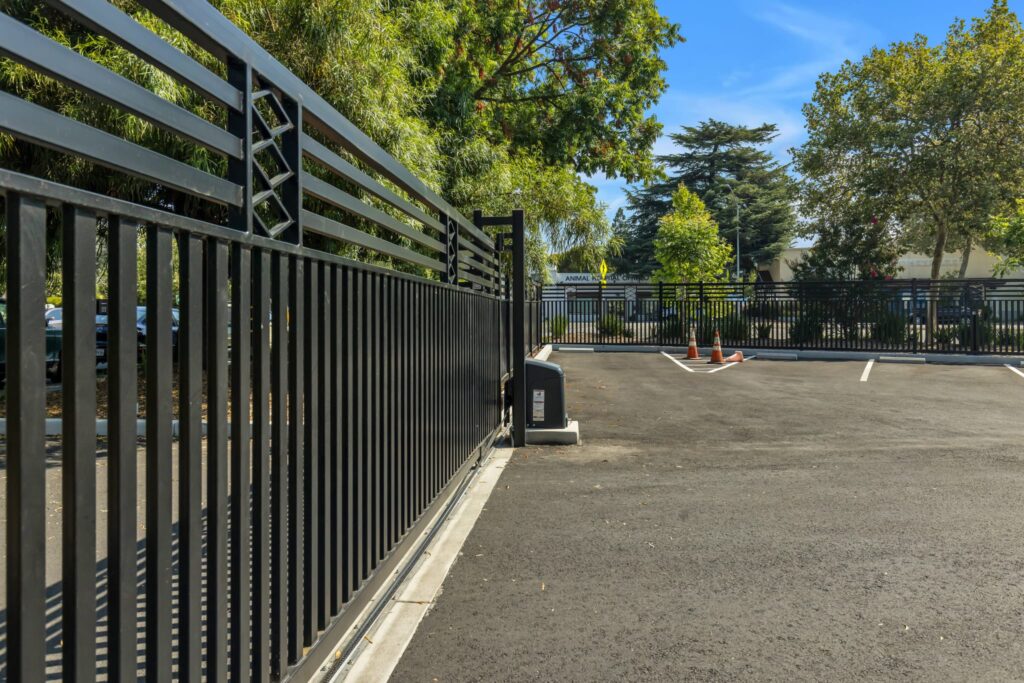
Blog & News The Quiet Gate Revolution in Atherton: Noise-Reducing Installations for Peaceful Properties jay jay Dec 26, 2025 Article, Uncategorized If you live in Atherton, California, you already know how quiet and peaceful the area is. The tree-lined streets, large estates, and calm atmosphere make it one of the most desirable places to live. Many homes here have automatic gates for privacy and security, but not all gates are created equal. Some gates can be noisy, squeaky, or clunky when opening and closing. That is why more homeowners are turning to quiet gate systems to keep their properties both secure and serene.For those planning a new gate, start by visiting gate installation Atherton. RNA Automatic Gates offers top-notch services for homeowners who want to unlock the next level of peace and security. The Sound of Security: Why Noise Matters in Atherton’s Gated Homes In Atherton, silence is a sign of luxury. Homeowners invest in large yards, modern architecture, and beautiful landscaping to create peaceful spaces. But when a gate screeches open or slams shut, it can ruin that calm feeling in an instant.Atherton is known for peaceful gated homes, where every detail matters. Noise from a gate can travel across wide driveways and quiet streets. Even a slight grinding sound can echo between large homes. That is why noise reduction gates have become a crucial choice for local residents.Besides comfort, keeping noise levels low helps maintain community harmony. Many HOAs in Atherton have noise guidelines to protect neighborhood tranquility. By installing a quiet gate system, you show respect for your neighbors and protect your property value at the same time. Understanding Gate Noise: What Causes the Unwanted Sounds? Before fixing the noise, it’s important to note where it comes from. There are several common reasons gates make noise during operation. Friction between metal parts that lack proper lubrication can create grinding or squeaking sounds. Worn-out gears or motors that vibrate too much may cause humming or rattling. Loose hinges can shift slightly each time the gate moves, leading to clicking or scraping. Uncushioned gate stops create loud banging when the gate closes fully. Mounting surfaces that are too rigid can amplify small vibrations and make them more noticeable. When these small issues combine, the result can be quite disruptive. Understanding the source of the sound helps homeowners decide the right way to make their gate quieter. Gear-Driven vs. Hydraulic: Which Is Quieter for Your Home? The way a gate moves affects how much noise it makes. Two common systems are gear-driven and hydraulic gate systems, and they sound very different during operation.Gear-driven gates use metal gears to push or pull the gate open. They are durable but can get noisy over time. The gears wear down and create friction, which makes grinding noises. This is especially true when the gears are not well-oiled or protected from dirt.Hydraulic systems, on the other hand, use fluid pressure to move the gate. These systems have low-noise motors that glide smoothly with minimal friction. Since hydraulic systems rely on liquid rather than direct metal contact, they are significantly quieter and more efficient.For most homeowners in Atherton, hydraulic gate systems are the better choice for silence and reliability. They might cost a little more, but their quiet operation and longevity make them worth it in the long run. Looking for Affordable Garage & Gate Repairs? We offer quality service at competitive rates. Call (650) 912-1200 today to schedule your repair. Materials That Muffle: Acoustic Advantages of Aluminum and Composites The material used to build your gate also plays a big part in how much noise it makes. Aluminum gates and composite gates are both popular for homeowners who want to reduce sound.Aluminum is lightweight but strong. Because it’s light, it doesn’t strain the motor or hinges as much. That means fewer vibrations and less noise. It also doesn’t rust or warp in changing weather, so it stays smooth for years.Composite gates have layers of materials designed to absorb sound naturally. They are a great soundproof gate option for those who want beauty and function combined. The solid structure of composite gates prevents echoing noises and reduces vibration during opening and closing.Using these materials together with quiet gate systems gives you a durable, stylish, and peaceful setup that lasts for decades. Silent Hinges and Cushioned Stops: Small Add-ons, Big Silence Small upgrades can make a big difference in sound control. Silent hinge upgrades use nylon or Teflon inserts that allow the gate to move without the metal-on-metal friction that causes squeaking. These hinges also help stabilize the gate, so it doesn’t shake or wobble.Cushioned stops are another easy but powerful addition. They absorb the impact when the gate closes, preventing the loud clunk that can disturb a quiet evening. They are made of rubber or silicone and are installed where the gate meets its end post.Together, these two small features can unveil a huge improvement in how quietly your gate operates. Motor Placement Techniques That Cut Noise in Half The location of your motor has a direct impact on how much noise travels through your gate system. At RNA Automatic Gates, technicians strive to position motors in ways that minimize vibration and echo.Placing motors on sound-dampening pads can prevent noise from traveling through the ground or into nearby walls. Mounting them on isolated concrete bases also helps contain vibrations.Another effective solution is installing underground motors. These motors are enclosed in insulated housings, which makes them nearly silent. They are perfect for silent driveway gates in high-end homes where appearance and quiet performance matter equally.When properly placed, motors can operate quietly enough that you only hear the soft click of your remote. Landscape-Assisted Quiet: Using Greenery to Absorb Sound Greenery can do more than beautify your yard. It can actually help reduce sound. Thick shrubs, tall hedges, and dense trees can act as natural sound barriers between your gate and the street.Planting evergreen trees or tall bushes near your gate helps block noise from both

The Quiet Gate Revolution in Atherton: Noise-Reducing Installations for Peaceful Properties Read More »

When Your Electric Gate Won’t Respond to Remote Access – Diagnostic Guide

Blog & News When Your Electric Gate Won’t Respond to Remote Access – Diagnostic Guide jay jay Nov 28, 2025 Article, Uncategorized If you’re experiencing issues with your remote-controlled gate in Palo Alto or Santa Clara, you’re not alone. Whether it’s a complete failure to respond or sporadic operation, remote gate issues can be both inconvenient and concerning. If you need immediate expert help, check out our trusted electric gate repair Santa Clara services at RNA Automatic Gates. This guide is crafted to help you diagnose your electric gate when it stops responding to your remote control or smart access systems. Let’s explore the electric gate diagnostics that can help you identify and potentially resolve the problem without any guesswork. Common communication failures in remote-controlled gates Sometimes the remote talks to the gate, but the gate doesn’t talk back. This happens when the signal isn’t reaching the gate properly. A thick hedge, parked car, or wall between you and the gate might be blocking the signal If your remote only works when you’re very close, the receiver might be weak or damaged Using the remote from inside your house might not work if your house has thick walls The remote and gate receiver might have lost connection, especially after a storm Too many remotes connected to one system can cause signal confusion Battery signal degradation and fix methods Remote batteries don’t last forever. When the battery gets weak, the remote still lights up, but the signal it sends is not strong enough. Even if the light on your remote turns on, the battery may still be low If your remote only works sometimes, or from very close, try new batteries Replace the battery with a good-quality one, not an old one from the drawer Store the remote in a dry place, because moisture can drain the battery faster If you have a second remote, try it to see if the issue is just one remote Wireless interference from surrounding tech systems Today’s homes are full of tech. Sometimes your gate system gets confused because of all the signals in the air. Wi-Fi routers, smart thermostats, and even baby monitors can mess with gate signals Electric vehicles charging nearby can also create interference If your gate works better at night or early morning, nearby tech might be less active then Try turning off other wireless gadgets near the gate to test if interference is the problem Moving the receiver antenna higher can help avoid interference from ground-level devices Sensor alignment and obstruction issues Gate sensors help keep your gate safe. But when they get dirty or knocked out of place, the gate may stop working. Dirt, leaves, or spiderwebs on the sensor lens can block the signal If the sensor lights are blinking, they may be misaligned Push the sensors gently so they face each other directly If one sensor is broken, the system may not work at all Make sure the sensors are not shaded by plants or blocked by objects like garbage bins Reconnection protocols after power outages After a power cut, your gate system may lose its memory or get stuck in a locked state. You can fix this by resetting it safely. Turn off the gate’s power from the breaker box and wait about 30 seconds Turn it back on and wait for the gate system to reboot Most gates will flash lights or beep to show they are restarting Try the remote again after power is restored If it still doesn’t work, you might need to re-pair your remote with the receiver Check the manual or sticker near the motor for reset instructions Looking for Affordable Garage & Gate Repairs? We offer quality service at competitive rates. Call (650) 912-1200 today to schedule your repair. Firmware updates for remote access modules Just like your phone or computer, some gate systems need software updates. These updates are called firmware. If your gate was installed years ago and hasn’t had a firmware update gate, it might start acting slow Some gates let you update using a USB stick or Bluetooth Visit the gate manufacturer’s website to find the latest firmware Follow the steps in your manual to install the update After updating, test the remote and app to make sure everything works properly Diagnosing motor receiver malfunction The receiver is like the gate’s ears. If it can’t hear your remote, it won’t open. If the gate doesn’t respond at all, even after replacing batteries, the motor receiver might be broken You may hear a clicking sound when pressing the remote, but no movement The motor might hum or vibrate, but not move the gate A burning smell or melted wires near the motor could mean internal damage This kind of motor receiver fault usually needs a technician to replace or repair the part Integration troubleshooting with mobile gate apps Some gates open through an app on your phone. If that app stops working, it could be a sync problem. If the app says “can’t connect,” check your phone’s Wi-Fi or Bluetooth Make sure the gate system has power and is connected to your network Try logging out of the app and logging back in Delete and reinstall the app if it still doesn’t work Check for app updates in your app store to fix app gate sync issues Inspecting wiring integrity for signal continuity Old or damaged wires can stop the gate from working, even if everything else is fine. You can check the wires for signs of damage. Look for chewed wires (rats sometimes nest near gate motors) If you see exposed copper, the wire cover may be damaged Use a simple voltage tester to see if power is reaching the motor Tighten any loose wire connections at the control box Call a professional for a wiring inspection gate if you find burnt or melted wires Using on-board diagnostic panels effectively Some gate systems have a tiny screen or blinking light panel near the motor. This

When Your Electric Gate Won’t Respond to Remote Access – Diagnostic Guide Read More »

How to Extend the Life of Your Auto Gate by 5+ Years With These Repair Interventions

Blog & News How to Extend the Life of Your Auto Gate by 5+ Years With These Repair Interventions jay jay Nov 28, 2025 Article, Uncategorized If you have a gate in Santa Clara that opens and closes on its own, taking care of it now will help it last much longer. Automatic gate repair Santa Clara is something RNA Automatic Gates has done for years, helping local homeowners and businesses keep their systems running smoothly without needing costly replacements. Understanding Mechanical vs. Digital Wear Mechanical parts are things like wheels, hinges, chains, and metal arms that move. Digital parts are the buttons, sensors, and boards that help your gate think and follow orders. Some parts wear out faster than others: Hinges, pivots, and tracks wear down faster because they are always moving Chains and belts get loose or rusty if not checked Sensors and remotes can stop working if they get wet or dusty Control boards can fail if the power isn’t steady or if wires get damaged If your gate squeaks, moves slower, or doesn’t stop where it should, it might be because some of these parts are getting old. Catching the problem early helps you fix it before it turns into something big. Choosing the Right Lubrication for Improved Longevity Gates have moving parts that need to be slippery so they don’t get stuck. Using the wrong lube can make things worse. Grease that is too thick can slow things down, and grease that is too light can wear off too fast. Here’s how to pick the right one: Metal gates need thick grease to fight rust and make movement smooth Aluminum gates need spray that won’t clump or turn sticky Gates with wood and metal need a mix that protects both Lubing your gate every few months keeps the parts from grinding. This also stops the motor from working too hard, which means it won’t break as quickly. Electrical Calibration and Motor Care The motor is like the muscle of your auto gate. It pushes and pulls the gate open and closed. But if it isn’t set up the right way, it can get tired or even burn out.You can keep your motor safe by: Making sure it’s not working harder than it should Checking that the open and close settings are lined up right Cleaning around it so dirt doesn’t slow it down Looking at wires to see if they are cracked or chewed Doing a motor calibration once a year can make a big difference. This is how you stop the gate from forcing itself open or slamming too hard shut. Weatherproofing Solutions for Bay Area Conditions Living in the Bay Area means your gate faces salty air, foggy mornings, and rain. This makes it really important to have a weatherproof gate. To protect your gate from weather damage: Spray metal parts with rust spray before the rainy season Put covers on electronics so fog and water don’t get in Use paint or coating that won’t fade from the sun Add gravel or drains around the base so water doesn’t sit If your gate gets rusty or your wires get wet, your whole system can stop working. Doing small things now keeps that from happening. Importance of Seasonal Inspection Routines Looking at your gate during each season helps you fix small problems before they grow. Different times of year bring different issues.Here’s what to check each season: Spring – Clean off pollen, leaves, and dirt; look for rust Summer – Make sure the motor isn’t overheating Fall – Lubricate all moving parts before winter cold Winter – Test battery backups and cover all electric parts Doing these checks two or three times a year is a great way to keep your gate working for a long time. It also helps avoid big repairs. Tracking System Performance Metrics Some gates have systems that track how often they move or when there is a problem. These tools can help you catch trouble before it becomes serious. You can look at: How many times the gate opens and closes each day How much power the motor is using When the gate has a problem or stops partway Any alerts that say something isn’t working Using these tools helps you plan your gate repair interventions early. That means less damage, and your gate stays working longer. Reinforcement Strategies for Hinge and Pivot Points The places where your gate turns or swings get a lot of pressure every day. Over time, they can bend or crack. To keep them strong: Weld extra metal to the back of the hinge Replace worn-out bushings with stronger ones Check bolts and nuts to make sure they’re tight If the gate starts to sag, fix it before it scrapes the ground Doing this type of structural reinforcement helps the gate stay straight and strong for many more years. Looking for Affordable Garage & Gate Repairs? We offer quality service at competitive rates. Call (650) 912-1200 today to schedule your repair. Upgrading Control Boards for Future-Proofing The control board is the brain of your auto gate. It listens to your remote, your app, or your keypad and tells the gate what to do. Older boards can break, get slow, or stop working with new tech. Here’s how to know it’s time for a new one: It won’t work with newer phones or remotes You see error messages or blinking lights often It can’t connect to WiFi or apps It’s more than 5 years old and hard to replace Getting a new board makes your automated gate upkeep easier. It also means your gate will work with smart tech in the future. Implementing Surge Protection and Power Stabilization Your gate uses electricity to move. If the power jumps too high (like in a storm), it can fry the control board or the motor.To stop this from happening: Add surge protection gate devices to stop spikes Plug your system into a UPS (backup battery) Keep

How to Extend the Life of Your Auto Gate by 5+ Years With These Repair Interventions Read More »

How One Business in Bay Area Cut Entrance Wait Time by 60% After Gate Repair

Blog & News How One Business in Bay Area Cut Entrance Wait Time by 60% After Gate Repair jay jay Nov 28, 2025 Article, Uncategorized A logistics facility in the Bay Area was experiencing long entry delays, which slowed down employee arrivals, delayed shipments, and frustrated vendors. The culprit was a slow and outdated gate system. After a strategic gate repair Bay Area, the company saw an incredible 60% reduction in wait times. The success came from a mix of smart tuning, hardware upgrades, and traffic strategies. Operational Delays Caused by Outdated Gates Outdated gates often work slower than expected. At this site, the gate would open in choppy movements. The control system reacted slowly. On rainy days, it sometimes didn’t open at all. Every time the gate malfunctioned, a supervisor had to step outside with a manual key or remote, which delayed entries even further. The old setup didn’t pair well with current access technology. Staff badges failed regularly, and visitors had to call inside to gain entry. This led to constant backups and a stressful start to each shift. The business struggled to maintain a steady operational flow. A gate that isn’t functioning smoothly doesn’t just waste time. It creates confusion and security risks. Commercial sites depend on fast, reliable access control to keep operations on schedule and employees moving. The Role of Automation Speed Tuning in Gate Performance The original gate motor had a conservative open-close timing. It started slow, moved sluggishly, and took its time stopping. These delays seemed small, but over dozens or hundreds of entries, they added up to hours of lost productivity each week. RNA Automatic Gates made careful changes to the motor’s logic. The speed settings were adjusted for a faster launch and more controlled stopping. The updates didn’t compromise safety but allowed the gate to move at optimal speed. Because of the better timing, the gate no longer wasted energy easing into a full opening. Each cycle was faster by around 5 to 6 seconds. That single change, applied across 200 vehicle entries per day, cut a noticeable amount of wait time from the company’s operations. Optimizing Sensor Placement for Smoother Entry The gate’s sensors were not placed in a way that recognized every type of vehicle. Sometimes the sensors missed tall trucks. Other times, compact cars weren’t picked up until they inched too close to the gate.RNA reconfigured the detection system. One sensor was installed lower and directed at the path of standard vehicles. Another was added higher up and angled downward to detect large delivery trucks. Together, the sensors created a better detection field.Now vehicles don’t need to slow down or creep forward to trigger the gate. The system begins processing entry as soon as the vehicle approaches. This eliminates any awkward waiting or repeated scanning at the gate entrance. Traffic Flow Strategies for Gated Commercial Sites Before repairs, the business had one lane for everyone. Large trucks and regular vehicles used the same path. When a delivery truck pulled in, it blocked the gate area and held up the line. RNA helped the company redesign the entrance. They added a second lane for employee cars. Simple lane dividers and traffic signs created separation. Trucks now use the original lane, and staff vehicles move through the added lane smoothly. They also adjusted the gate position slightly, shifting it a few feet to provide more turning space for large vehicles. This helped reduce the time trucks spent maneuvering. Additionally, the system’s logic was updated to respond differently during shift changes. More staff entered at once during those times, so the gate stayed open longer between cycles. This allowed a smooth wave of vehicles to pass through without stop-start delays. Integrating Access Control with Employee Systems The old badge reader had trouble reading staff ID cards. Sometimes, employees had to hold their badges outside the window multiple times. This caused frustration and delays. RNA upgraded the reader to a newer RFID model with better range and faster recognition. The access control system was also synced with the company’s employee database. Now, the gate recognizes which employees are scheduled to work and adjusts access accordingly. Drivers don’t have to lower windows or stop completely. They simply drive slowly past the sensor, and the system logs them in. By syncing the access control system with the company’s digital records, management also gains insight into who is entering and when. This boosts security and entry speed at the same time. Maintenance Intervals That Minimize Downtime Before improvements, the business waited until the gate stopped working before calling for service. This reactive approach meant that problems were only addressed after delays had already occurred. RNA created a maintenance plan tailored to the gate’s usage. Every month, a technician checks motor performance, cleans sensors, tests software, and tightens mechanical parts. By catching wear and tear early, they keep everything working properly. Preventive maintenance helps avoid unexpected downtime. It also ensures the gate continues to run quickly and safely, even under heavy use. Regular checks keep the entire entry system in good health. Upgrading Motors for Faster Operational Cycles The old gate motor wasn’t strong enough for a high-traffic site. It was originally designed for residential use and didn’t hold up well under frequent cycles. The motor heated up quickly and often stalled during busy times. RNA replaced it with a more powerful commercial-grade motor. The new motor is designed for frequent operation and comes with digital speed controls. It opens and closes faster while using less energy. The upgrade reduced the gate’s cycle time by about 30 percent. Since the motor is built for durability, it also needs fewer repairs and stays reliable over time. The business now experiences faster, smoother entries even during rush hours. Looking for Affordable Garage & Gate Repairs? We offer quality service at competitive rates. Call (650) 912-1200 today to schedule your repair. Data-Driven Adjustments Using Gate Performance Logging A small but powerful addition was a performance logging module. This

How One Business in Bay Area Cut Entrance Wait Time by 60% After Gate Repair Read More »

How Bay Area Homeowners Are Using Modern Gates to Boost Property Value by 12%

Blog & News How Bay Area Homeowners Are Using Modern Gates to Boost Property Value by 12% jay jay Nov 28, 2025 Article, Uncategorized Bay Area gate installation helps many homeowners improve the way their homes look and function. Many property owners in the Bay Area are upgrading their gates to help increase home selling prices. A modern gate can help raise property value by up to 12 percent. A gate is not only for safety. It can also look nice, operate smoothly, and match the home style. The following sections are written in a simple, easy-to-read form while keeping the structure, keywords, and requirements intact. The Modern Gate’s Impact on Architectural Appeal Modern gates help homes look better from the street. When people arrive, the gate is often the first thing they see. A clean gate with simple lines makes the house appear updated and carefully maintained. Homeowners who choose modern gate design often share that guests notice how organized and stylish the entrance looks. Real estate agents agree that a home that presents well from outside tends to attract more buyers and leads to higher offers. Many Bay Area homes range in style. Some are sleek and modern with flat surfaces and large glass windows. Others may reflect natural textures and softer elements. Gates can be designed to match both. For flat modern homes, a gate with straight steel panels and soft LED lighting looks suitable. For homes with wood siding, a gate combining metal and warm-toned wood blends smoothly. Adding a gate that matches the home color and structure shows attention to detail. Buyers often feel more confident purchasing a house that looks complete from the entrance. Integrating Smart Gate Technology With High-Value Real Estate Smart gate systems are preferred in luxury homes. The gate can open using a smartphone, voice control, or sensor-triggered automation. A properly installed automated driveway gate lets cars pass without manual handling. Using smart gate systems gives homeowners a sense of advanced living and order.These systems often connect to cameras and alarms. They can record entries, send alerts, or allow remote access checks. Homes with this type of technology tend to stand out during showings. Looking for Affordable Garage & Gate Repairs? We offer quality service at competitive rates. Call (650) 912-1200 today to schedule your repair. Sustainability Trends Influencing Gate Installation Decisions Many Bay Area residents want to make environmentally friendly choices. Eco gate installation using recycled steel or responsibly sourced wood supports this goal. Sustainable gate design helps reduce ecological impact while maintaining durability. Solar powered automation systems are common. They provide an energy efficient way to operate gates, especially during short outages. These systems are easy to clean and built to last against sun and moisture. Using Minimalist Gate Structures to Amplify Curb Presence Simple gate designs are often visually stronger than complex ones. A minimalist style with straight lines and even spacing helps the house look larger and well arranged. Buyers often prefer homes that do not feel cluttered at the entrance. Using one or two tones, keeping materials clean, or using hidden hinges gives a neat look. Many professionals state this approach results in more interest and increased property appeal. The Psychology of Security and Its Effect on Property Pricing A gate helps homeowners feel secure. When visitors must be granted access, it creates a barrier that increases confidence in safety. Buyers appreciate this during tours and may be more willing to pay a higher price for a secured entry system.The feeling of protection can influence decision making. Adding video intercoms, keypad control, or motion sensors makes the gate even more effective. Combining Metal and Wood Treatments for Lasting Visual Impact Using metal for strength and wood for warmth creates a balanced look. Many luxury gate solution designs rely on this combination. It adds style while supporting long lasting durability.Metal frames help against weather, while wood panels offer visual comfort. Treatments and coatings protect against moisture and sun damage, which helps the gate remain attractive longer. This type of mixed design is noticed positively during real estate evaluations. How Local Regulations Subtly Shape Gate Installation Values Each Bay Area city has rules for structure placement, height, and visibility. Installing a gate without considering these rules may cause delays or require changes later. Working with installers familiar with local standards prevents issues. Some areas require permit approval before installation. Professionals like RNA Automatic Gates help manage documentation and approval steps to avoid wasted time and protect investment value. Enhancing Entry Flow With Smart Access Systems A gate that opens smoothly keeps daily routines simple. Smart systems can detect vehicles or use timing settings to reduce waiting time on arrival. A smooth entry supports easier morning departures and evening returns. Buyers often notice how easy it is to enter during property viewings. If the process is simple, they form a positive opinion of the home. Outdoor Automation and How It Complements Modern Landscaping Many properties connect gate systems with outdoor lighting. When someone approaches, lights activate gently to guide the way. This supports nighttime safety and creates a pleasant arrival experience. Homeowners sometimes connect gates with irrigation timers or garden sensors. These systems work together to create an automated environment that feels modern and well designed. Using Drought-Resistant Finishes for Long-Term Marketability Bay Area weather changes frequently. Some days are dry and others humid. Protective coatings reduce fading, cracking, and wear from changing conditions. Using finishes designed to withstand sunlight and moisture helps the gate look newer for longer. When maintenance costs stay low and quality remains high, homeowners benefit. Buyers see this and feel more confident making an offer. Neighborhood Consistency and Property Image Alignment Many communities prefer a uniform appearance. A gate that fits the local style makes the home appear better integrated with surrounding houses. Gates that stand out too much may create unwanted attention, which can reduce appeal. Designing gates that respect nearby styles supports harmony and helps protect property values across the area.

How Bay Area Homeowners Are Using Modern Gates to Boost Property Value by 12% Read More »

Quiet Power: Installing a Hydraulic Gate Operator in Palo Alto

Blog & News Quiet Power: Installing a Hydraulic Gate Operator in Palo Alto jay jay Oct 30, 2025 Article, Uncategorized Looking for a Gate Installation Palo Alto service that brings together power, dependability, and quiet performance? At RNA Automatic Gates, we design and install advanced gate systems built for modern living. Many Palo Alto homeowners are turning to hydraulic gate operators for their smooth operation, long life, and ability to combine strength with silence. The Sound of Silence: Why Homeowners Choose Hydraulic Gates Palo Alto’s neighborhoods are known for their calm and refined character. Streets lined with trees and carefully landscaped properties create an atmosphere of privacy and quiet sophistication. In this environment, even the sound of a driveway gate can stand out.Traditional mechanical motors can make sharp noises as they start and stop. These sounds can echo through tight streets or courtyards, disturbing that peaceful tone homeowners value. A quiet gate system, on the other hand, glides open with a soft, fluid motion that fits perfectly with the calm residential character of the city.For families in Palo Alto, silence represents more than convenience. It’s a reflection of lifestyle. Whether you arrive home late from a dinner downtown or leave early for a morning walk, a silent gate allows you to move in and out without interrupting your neighborhood’s stillness. What Makes Hydraulic Systems Different Hydraulic gate operators use a different approach than mechanical ones. Instead of gears, chains, or belts, they rely on fluid pressure to move the gate arms. This fluid power creates smooth, steady motion and removes the harsh jerks that mechanical systems can cause.These systems are perfect for luxury gates and busy entryways because they lift heavier loads with ease. Their design delivers strong torque and precise control, helping parts last longer with less wear. With fewer exposed components, hydraulic gates also work well in all kinds of weather, keeping smooth performance even when temperatures or humidity change.The result is quiet, steady power that feels effortless every time you open or close your gate. When Noise Complaints Meet Engineering Solutions Consider this: a Palo Alto family near Downtown had a modern steel hydraulic swing gate powered by an older screw-drive motor. The loud metallic sound during operation led to several complaints from neighbors.RNA Automatic Gates replaced the outdated mechanism with a new hydraulic gate operator designed for silent motion. The upgraded system included enclosed pistons, vibration-reducing brackets, and sealed mounts. Once installed, the noise disappeared completely.The family’s gate now operates almost silently, even during early morning departures. The new setup also connected to their smart-home system, allowing them to open and monitor the gate directly from their phones. It was a simple change that dramatically improved both comfort and neighborhood relations. Looking for Affordable Garage & Gate Repairs? We offer quality service at competitive rates. Call (650) 912-1200 today to schedule your repair. Choosing the Right Model for Palo Alto Homes Every home in Palo Alto has its own architectural character and practical requirements. From compact properties in Old Palo Alto to spacious estates in Crescent Park, choosing the right hydraulic gate operator depends on several factors.Here are the key aspects to consider when selecting your system: Gate Weight and Dimensions: Heavier gates require higher hydraulic pressure and more durable arms. Our technicians measure your gate’s dimensions and material type to match the perfect hydraulic capacity for effortless movement. Frequency of Use: Homes with multiple vehicles or shared driveways need systems built for higher daily cycles. We recommend high-duty pumps and commercial-grade actuators for these scenarios. Noise Level Preference: While all hydraulic systems are quiet, some models use additional insulation or specialized mounts that make them nearly inaudible, ideal for homes where silence is a top priority. Integration Options: Many homeowners like gates that work with smart-home devices or phone apps. Picking a model with this feature makes it easier to open, close, and monitor your gate from anywhere. Aesthetic Compatibility: Looks matter too. Choosing a gate system that matches your home’s style helps keep your property looking neat and well-balanced. RNA Automatic Gates helps homeowners navigate these decisions to find the model that fits their home’s style, space, and usage pattern. The Aesthetic Factor: Hidden Power Units Modern homeowners value clean, minimalist design. The newest hydraulic gate systems feature compact power units that can be hidden underground or discreetly behind decorative panels. This means the powerful components that move your gate remain completely out of sight.This concealed setup enhances curb appeal by maintaining visual simplicity. Whether your gate is made of wood, steel, or aluminum, a hidden hydraulic unit keeps the attention on your home’s design, not the hardware that powers it.Homeowners who prioritize elegant landscaping or modern architecture especially appreciate this design advantage. The system’s performance is visible only through its smooth, quiet motion. Step-by-Step: How We Install a Hydraulic Operator At RNA Automatic Gates, we focus on clear communication and professional installation from start to finish. Here’s how our team completes a typical hydraulic gate operator installation: Site Assessment and Planning – We inspect your existing gate, foundation, and electrical setup. Our team evaluates structural stability to confirm that posts, hinges, and concrete bases can handle hydraulic power. System Selection and Design – Based on your property layout and gate type (swing or sliding), we select the ideal automatic gate install kit with the correct pressure specifications, motor type, and noise profile. Foundation Preparation – If an underground power unit is needed, we excavate a secure compartment with proper drainage to protect against moisture and soil movement. This ensures durability for decades. Hydraulic Line Installation – We set up strong hoses that carry hydraulic fluid between the pump and gate arms. Every connection is sealed tightly to stop leaks and keep the system working smoothly. Electrical Integration – The gate connects to your home’s power and control system. We can add intercoms, keypads, or smart-home links so you can open and manage your gate easily. Calibration and Testing – Once connected, we

Quiet Power: Installing a Hydraulic Gate Operator in Palo Alto Read More »

Luxury Driveway, Basic Wiring: The Silent Gate Killer in Los Altos Hills

Blog & News Luxury Driveway, Basic Wiring: The Silent Gate Killer in Los Altos Hills jay jay Oct 30, 2025 Article, Uncategorized Gate Repair Los Altos Hills – if you’ve ever needed it, the cause of the problem likely wasn’t the motor, keypad, or even the gate itself. The real issue is often buried underground, hidden inside the electrical wiring.Across Los Altos Hills, California, homeowners invest thousands in elegant, automated gates that blend security with beauty. Yet, many of these systems fail prematurely because of one simple oversight: poor wiring. At RNA Automatic Gates, we see this problem frequently, and the story almost always follows the same pattern. Let’s take a closer look at how wiring neglect can bring down even the most luxurious gates – and what you can do to stop it. When Beauty Outpaces Engineering Luxury homes in Los Altos Hills are built to impress. Long driveways lined with trees, custom steel or wood gates, and sleek automation systems are part of the area’s identity. But while these gates look exceptional, the electrical systems behind them are often surprisingly basic.Why does this happen? In most cases, builders and landscapers prioritize aesthetics and mechanics while underestimating the complexity of the electrical work. A gate is often seen as a simple motorized entryway. The assumption is that if it moves, the wiring must be fine. In reality, that couldn’t be further from the truth.A long driveway gate often powers multiple systems at once: security cameras, keypads, safety sensors, intercoms, and Wi-Fi modules. Each of these draws current, and when thin or improperly gauged wire is used, the system slowly starts to degrade. The result is an electrical gate failure waiting to happen. What looks like a “motor issue” is often just a wiring issue that began the day the gate was installed. The Hidden Weak Link in Luxury Automation Even the most advanced automation systems rely on a simple electrical truth: if the current can’t travel efficiently, nothing works properly. For many homes in Los Altos Hills, the hidden weak link is the buried cable connecting the gate to the house.Industry data shows that roughly 70% of gate malfunctions are tied to wiring problems rather than hardware defects. The most common causes include: Undersized wire gauge. Many gates are wired with cables that are too thin for the distance they cover. As power travels hundreds of feet, resistance builds, and voltage drops. Over time, this starves the motor and control board. Lack of surge protection. Hillside properties are more exposed to electrical fluctuations from storms, lightning, and power grid instability. Without surge protectors, sensitive circuit boards can fail instantly. Improper grounding. Weak or inconsistent grounding can create random resets, flickering lights, and even electrical shocks. Unsealed conduit. When conduit isn’t sealed properly, water, insects, and rodents can enter and damage insulation or short the wires. These small oversights compound over time. A gate that worked flawlessly for a year may suddenly start acting up, leaving homeowners puzzled and frustrated. The $25 Wire That Shut Down a $25,000 Gate Consider this real case from Los Altos Hills. A homeowner contacted us for los altos gate repair after their automatic gate froze halfway open during a storm. The system was less than two years old and featured premium Italian gate operators and a smart Wi-Fi keypad.Our diagnosis revealed that the installer had used 16-gauge wire for a 300-foot run from the main power panel to the gate. That wire was simply too thin to deliver steady power over such a long distance. The result was a severe voltage drop that caused the control board to malfunction.The fix cost less than $100 in parts – a heavier gauge wire rated for long distances – but it restored full functionality immediately. It’s a perfect example of how a $25 decision can cripple a $25,000 gate.This type of mistake is more common than most people think. Many property owners invest heavily in design and automation but neglect the luxury gate wiring that supports it. Looking for Affordable Garage & Gate Repairs? We offer quality service at competitive rates. Call (650) 912-1200 today to schedule your repair. How Power Distance Impacts Gate Reliability Power loss over distance is one of the least understood factors in driveway gate power design. The longer the cable run between the power source and the gate, the greater the resistance. That resistance leads to heat buildup and lower voltage at the gate’s end.Here’s how it looks in practice: A 200-foot run might operate fine with 12-gauge wire. A 400-foot run often needs 10-gauge wire. A 500-foot run can require 8-gauge or even 6-gauge wire to deliver consistent voltage. If the wrong gauge is used, the system may still operate – but at reduced efficiency. Over time, this results in slower gate motion, system resets, and overheating control boards.At RNA Automatic Gates, we design installations that account for distance, terrain, and electrical load. Our technicians measure the exact current draw of each component and select wire that ensures the gate operates consistently for years, not just months. Voltage Drops and False Alarms Explained Voltage drop gates can cause unpredictable behavior that looks like random malfunctioning. You might see symptoms such as: The gate opening partway and then stopping abruptly before closing again. Safety sensors triggering unexpectedly, causing the gate to reverse direction. Control keypads flickering or restarting without warning. The gate motor humming or stalling instead of moving. These issues can be frustrating because they often seem intermittent. The underlying problem, however, is consistent: uneven voltage reaching the motor or control board. In Los Altos Hills, hilly terrain can make this worse by creating variations in wire resistance and exposure to moisture.Left untreated, the fluctuating power causes long-term damage to sensitive electronics and eventually results in full system failure. Diagnosing Intermittent Failures Without Guesswork Many service technicians rely on trial and error – swapping out parts until the gate starts working again. This wastes time and money. Modern smart gate

Luxury Driveway, Basic Wiring: The Silent Gate Killer in Los Altos Hills Read More »

Rainy Season Repairs: Waterproofing a Gate Opener in the Los Gatos Foothills

Blog & News Rainy Season Repairs: Waterproofing a Gate Opener in the Los Gatos Foothills jay jay Oct 30, 2025 Article, Uncategorized When the skies open up over the Santa Cruz Mountains, Los Gatos homeowners know it’s time to check drains, seal windows, and protect their gates. If your automatic gate sits near a hillside or at the end of a steep driveway, moisture is its greatest enemy.Before we dive in, if you’re currently dealing with a malfunctioning system or looking for Gate Repair Los Gatos, RNA Automatic Gates is your reliable local partner for installation, troubleshooting, and maintenance. When the Rain Arrives, Gates Suffer First The Los Gatos foothills experience a unique microclimate with conditions that can shift quickly from dry and sunny to misty and wet. These constant changes take a toll on outdoor electrical equipment, particularly automatic gate systems.Metal gate components expand and contract with every temperature swing, while electrical parts inside openers face condensation, oxidation, and corrosion. Gates positioned on slopes or near retaining walls are especially vulnerable because runoff water tends to pool around gate posts and control boxes, seeping into wiring channels.In this context, understanding how moisture intrusion begins is crucial to preventing long-term damage and maintaining smooth performance throughout the rainy season. The Hidden Pathways of Water Infiltration Most gate systems don’t fail instantly. Water finds its way inside gradually through small, almost invisible openings.Conduit lines that are designed to protect wiring underground can easily become hidden pipelines for water if the ends are not properly sealed. Even the smallest crack in a gasket or gap in a control box cover allows humidity to enter, condense, and corrode vital electrical contacts.Once gate motor moisture begins to affect the internal electronics, the damage multiplies. Each rainfall introduces new condensation, further degrading the board and connections until the system stops working altogether. The Real Story: A Gate That Died After Three Straight Rainy Nights Consider this example. A wrought-iron gate in the Los Gatos foothills had worked perfectly for years. After three consecutive nights of heavy rain, the homeowner found the gate frozen halfway open.When technicians from RNA Automatic Gates arrived, they discovered that the control box was filled with condensation. Moisture had traveled through the lower conduit opening and shorted out the main circuit board.This case prompted us to overhaul our waterproofing procedures. We now install elevated control boxes, create drip loops on every cable, and apply industrial-grade silicone sealant around every connection point. These steps go well beyond standard manufacturer recommendations.It is a testament to how real-world weather in Los Gatos pushes gate systems far beyond what manufacturers typically test in controlled environments. Looking for Affordable Garage & Gate Repairs? We offer quality service at competitive rates. Call (650) 912-1200 today to schedule your repair. Why Standard Gate Boxes Aren’t Truly “Weatherproof” Many gate opener manufacturers promote their products as “weatherproof,” but it’s important to note that this label often refers only to protection from light rain or brief exposure. Continuous rainfall, fog, and heavy condensation in the Los Gatos foothills can easily exceed those limits.Even IP-rated boxes can fail if installed in the wrong position or mounted on uneven terrain. Water does not need a large opening; given time, it will always find its way inside. Proper installation and ongoing maintenance are just as important as the rating itself. Silicone, Seals, and Smart Placement Waterproofing is not a one-time task but an ongoing strategy. A few practical improvements can significantly increase the lifespan of your weatherproof gate system and reduce the likelihood of failure during wet months. High-quality silicone seals: Applying professional-grade silicone around all wire entry points and box seams helps maintain a continuous moisture barrier. This prevents both rainwater and humidity from entering delicate areas over time. Raised mounting platforms: Installing control boxes several inches above ground level prevents them from sitting in puddles or absorbing runoff. This small height difference keeps electrical components safe during the heaviest storms. Breather vents with filters: Adding vents that allow air to circulate while blocking water buildup helps prevent internal condensation, especially in fluctuating temperatures. Thoughtful placement: Locating control boxes away from sprinkler zones, roof edges, and drainage paths prevents unnecessary exposure to excess water. These small yet strategic steps ensure your waterproof gate opener remains effective even under prolonged exposure to moisture. Cable Entry Mistakes That Let Water Win Improper cable entry is one of the most common reasons gate systems fail during or after rainstorms. Cables should always enter the control box from below in a curved loop, not from the top or side. Without this drip loop, water can run directly along the cable jacket into sensitive electrical areas.Another frequent issue involves conduit fittings that are overtightened or cracked. This mistake damages the seals, allowing water to seep into the conduit system. It is vital to check that each connection is tight but flexible, preserving the integrity of the seal without over-compressing it.In summary, the difference between a gate that survives winter and one that fails mid-season often comes down to a single improperly sealed cable. Testing for Hidden Moisture Damage Even if your gate operates normally, moisture may still be causing internal corrosion or short circuits. Testing for hidden damage before the rainy season can help you prevent unexpected breakdowns.Homeowners can perform simple checks: Inspect the control box: Open the housing and look for fogged covers, rust stains, or discolored terminals. These are early signs of moisture exposure. Smell for electrical odors: A faint burnt or ozone-like scent often indicates short circuits or failing insulation caused by damp conditions. Operate the gate manually: If movement feels uneven, the hinges or arms might have internal rust or water buildup that needs immediate attention. If you detect any of these symptoms, it’s wise to call a professional for a rainy season gate fix before the damage spreads to the motor or circuit board. The Role of Drip Loops and Drain Holes Gravity plays a major role in waterproofing success. A

Rainy Season Repairs: Waterproofing a Gate Opener in the Los Gatos Foothills Read More »

Gate Sags and Soft Soil: Why San Rafael Yards Demand a Different Type of Post Anchor

Blog & News Gate Sags and Soft Soil: Why San Rafael Yards Demand a Different Type of Post Anchor jay jay Oct 30, 2025 Article, Uncategorized If you’ve been searching forGate Repair San Rafael, look no further. RNA Automatic Gates is the local expert in gate foundation solutions designed specifically for the soft and shifting soils common to San Rafael, California. In this article, we delve into why traditional post anchors often fail in this environment and unveil how modern deep-set anchors and soil-conscious designs can protect your gate for decades. The Hidden Enemy Beneath Your Gate Think about this: your new swing gate looks perfect now, standing tall and straight. But after a year or two, it might start to drag, lean, or close unevenly. The problem usually isn’t with the gate itself but with what’s under it.In Marin County, especially around San Rafael, the ground is made of clay and loam. This kind of soil gets bigger when it’s wet and smaller when it’s dry. As the seasons change, the ground moves a little, pushing and pulling on the gate’s base. Over time, this pressure can make the post shift or sink, which causes the gate to lean, sag, or even crack.We understand the importance of addressing this problem at the foundation level. Gates rarely fail because of faulty hinges or hardware. They fail from below, where the soil dictates how stable the entire structure will remain. Why Traditional Anchors Fail in San Rafael’s Moist Ground San Rafael’s clay-heavy soil behaves differently than sandy or loamy soils found in other parts of California. It absorbs water like a sponge during the rainy season and hardens like cement when it dries. Most traditional anchors, such as short concrete footings or untreated steel posts, were never engineered for this kind of soil movement.When the soil gets full of water, it swells and pushes against the gate post. When it dries, it shrinks and leaves small gaps around the base. Over time, this back-and-forth movement makes the post loosen little by little. Soon, the post starts to lean, and the gate goes out of line. What begins as a small problem can quickly turn into a sagging gate that won’t close right. The Science of Soil Movement Around Gate Posts To better understand this, let’s take a closer look at what occurs beneath the surface. When clay soil absorbs moisture, the particles expand by up to ten percent in volume. This creates upward and sideways pressure on anything embedded in the soil, including your gate post. Once the ground dries out, the clay shrinks and settles unevenly, which leaves air pockets beneath the anchor.Each tiny shift may only move the post by a few millimeters, but those millimeters accumulate over time. After several rainy and dry seasons, those small movements turn into noticeable leaning or dragging. In San Rafael clay soil, the movement is predominantly vertical but never uniform. One side of the post often moves more than the other, twisting the gate frame out of true alignment.Simply tightening parts on the gate won’t fix what’s really wrong. The answer is to give the post firm support underground so it can’t move when the soil does. Deep-set foundations and soft soil anchors are the best ways to do this. Recognizing Early Signs of Gate Sagging Homeowners often wait until a gate visibly leans before calling for help, but there are earlier, subtle warning signs that something is wrong. Recognizing these clues early can prevent expensive foundation repairs later. The latch stops lining up perfectly. You may notice that the latch catches slightly or doesn’t meet evenly anymore. This small misalignment is one of the first signs the post is shifting. The gate begins to stick when swinging open or closed. A previously smooth swing now feels heavy or unbalanced, suggesting that one side is settling lower than the other. Hinges or bolts need tightening more often. When the soil moves, the pressure on the hinge points changes, causing them to loosen over time. The post cap no longer sits level. Even a small tilt in the post cap is a strong indicator that the anchor beneath has moved or that the soil has compacted unevenly. These indicators often appear long before the gate leans noticeably. It’s worth mentioning that catching these problems early makes post anchor repair far easier and less costly. The “One Finger” Test for Gate Alignment There’s a simple way for homeowners to assess their gate’s stability. Open your gate halfway and try to swing it back and forth using only one finger.If the gate moves freely and evenly, your post alignment is still sound. However, if it feels heavy, drags, or sticks partway through the swing, that suggests hidden post instability. This easy test provides a quick, no-tool method to detect early soil movement before it becomes a structural concern. Looking for Affordable Garage & Gate Repairs? We offer quality service at competitive rates. Call (650) 912-1200 today to schedule your repair. Real Case Study: The Sleepy Hollow Swing Gate Repair A recent gate repair project in the Sleepy Hollow neighborhood of San Rafael illustrates the power of a redesigned anchor system.The homeowner had a large wrought iron swing gate that began leaning inward after several wet winters. The original installation used standard concrete-set steel posts, which are common but unsuitable for San Rafael’s active clay soil. Upon inspection, our team discovered fractures in the concrete footing and voids beneath it caused by repeated wet-dry cycles. The posts had tilted almost two inches out of plumb.To restore the gate, we installed a custom deep-set anchor system using helical steel piles drilled over four feet into stable subsoil. This design reached below the active clay layer and into solid ground. Once re-aligned, the gate swung smoothly again, perfectly balanced and stable.Years later, the installation remains firm, even after heavy winter storms. This demonstrates how an engineered gate foundation fix can turn a failing gate into a long-lasting

Gate Sags and Soft Soil: Why San Rafael Yards Demand a Different Type of Post Anchor Read More »