
Blog & News
Retrofit vs. New Install: Choosing the Right Gate Path for Santa Clara Residences

jay jay
Dec 26, 2025
Article, Uncategorized
Thinking about upgrading your home’s gate? If you are planning a gate installation Santa Clara, you might be wondering whether to retrofit your current system or go for a completely new one. This is one of the most common questions homeowners face when it comes to improving safety, convenience, and curb appeal. Both choices have benefits and challenges. Let’s take a closer look to help you decide which is best for your Santa Clara home.
Retrofit or Start Fresh? Understanding the Core Difference
A retrofit means keeping your current gate’s frame or structure but upgrading parts like motors, wiring, or automation systems. It is like giving your gate a second life. This choice is great for gates that still look good and work fine but need modern features like smart controls or quieter motors.
A new installation means replacing everything and starting from scratch. This gives you the freedom to choose the size, material, design, and technology you want. You can pick how your gate looks, how it opens, and how it connects to your smart home system.
The main difference comes down to how much of the old system you keep. A retrofit builds on what you already have, while a new installation starts clean. Both can work beautifully depending on your home’s structure, age, and your goals.
When Retrofitting Makes Sense in Santa Clara Homes
For many homeowners, retrofitting makes sense when the gate’s structure is still in good shape. If your gate is strong but the opener is slow or outdated, upgrading it is a practical way to save money. Retrofitting can give you new performance without replacing the whole system.
Benefits of Upgrading Older Systems
- Cost Savings: Retrofitting is usually less expensive than starting from scratch. It lets you reuse what still works, which lowers material and labor costs.
- Faster Installation: Because you keep much of the existing structure, upgrades can be done quickly, often within a few days.
- Keeps Your Style: Many Santa Clara homes have unique architecture. Retrofitting allows you to keep the design that fits your home’s look while improving how it works.
- Less Waste: By reusing materials, you reduce waste and make your project more eco-friendly.
- Simple Maintenance: Since most of the structure stays the same, maintenance is easier and more predictable.
Retrofitting is ideal if your existing gate fits your driveway well, looks good with your home, and just needs a gate system upgrade to keep up with new technology.
The Challenges of Retrofits in Tight Santa Clara Lot Lines
Some homes in Santa Clara have narrow driveways or close fences that make retrofitting harder. Space limitations can prevent adding larger motors or new sliding systems. If the gate was built decades ago, there might also be issues with residential gate wiring or alignment.
- Limited Space: Older homes sometimes have little room around the gate for new equipment. This makes upgrades tricky.
- Outdated Wiring: If your wiring is old, it may not handle the power needs of modern smart gates.
- Uneven Structures: Old posts or foundations might be misaligned or weak. They can limit how much you can upgrade safely.
When these issues appear, your installer might recommend a full rebuild instead of a retrofit to ensure safety and long-term reliability.

Looking for Affordable Garage & Gate Repairs?
We offer quality service at competitive rates. Call (650) 912-1200 today to schedule your repair.
Going New: When a Fresh Installation Wins
There are times when it is better to start fresh. A new installation gives you the chance to completely redesign your gate and fix old problems permanently. This is often the best option for older gates that are rusty, noisy, or structurally weak.
When to Choose a New Gate Installation
- Your Old Gate is Failing: If the structure is bent or the hinges keep breaking, it’s safer to replace it entirely.
- You Want Smart Technology: A new gate can easily include Wi-Fi controls, video cameras, and keypads that retrofit systems might not support.
- Curb Appeal Upgrade: A new design can transform your home’s appearance and make it look newer and more secure.
- Improved Security: New systems come with stronger locks and better safety sensors, which protect your property more effectively.
- Higher Property Value: In Santa Clara’s housing market, a modern automatic gate can boost your home’s value and attract buyers.
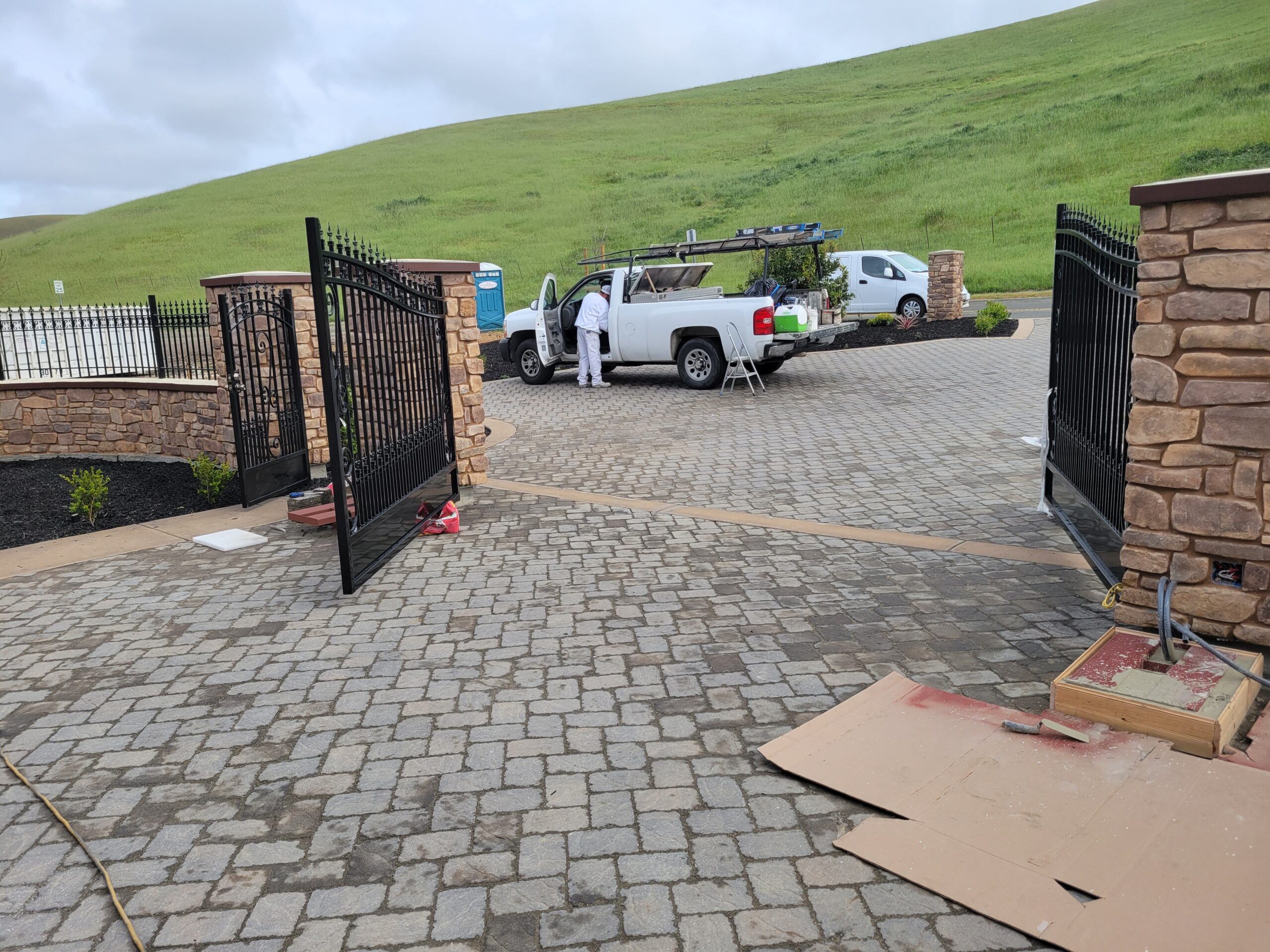
New installations also give you complete freedom in terms of design, materials, and motion type. Whether you prefer swing, slide, or folding styles, you get a system that fits your home perfectly.
Wiring, Wi-Fi & Power: Smart Gate Tech and Infrastructure Requirements
Modern Santa Clara gates often include advanced technology such as mobile app control, remote operation, and smart cameras. But to make these systems work well, your gate needs the right electrical foundation.
If your home’s power lines or Wi-Fi coverage are weak near the gate, the system may not perform as expected. During installation, technicians test your residential gate wiring to make sure it can handle new devices and power requirements.
- Check Your Power Source: A dedicated power line might be needed for strong motor performance.
- Wi-Fi Strength Matters: For smart features to work, your signal should reach the gate consistently.
- Backup Power: Adding a solar panel or battery backup ensures your gate works during outages.
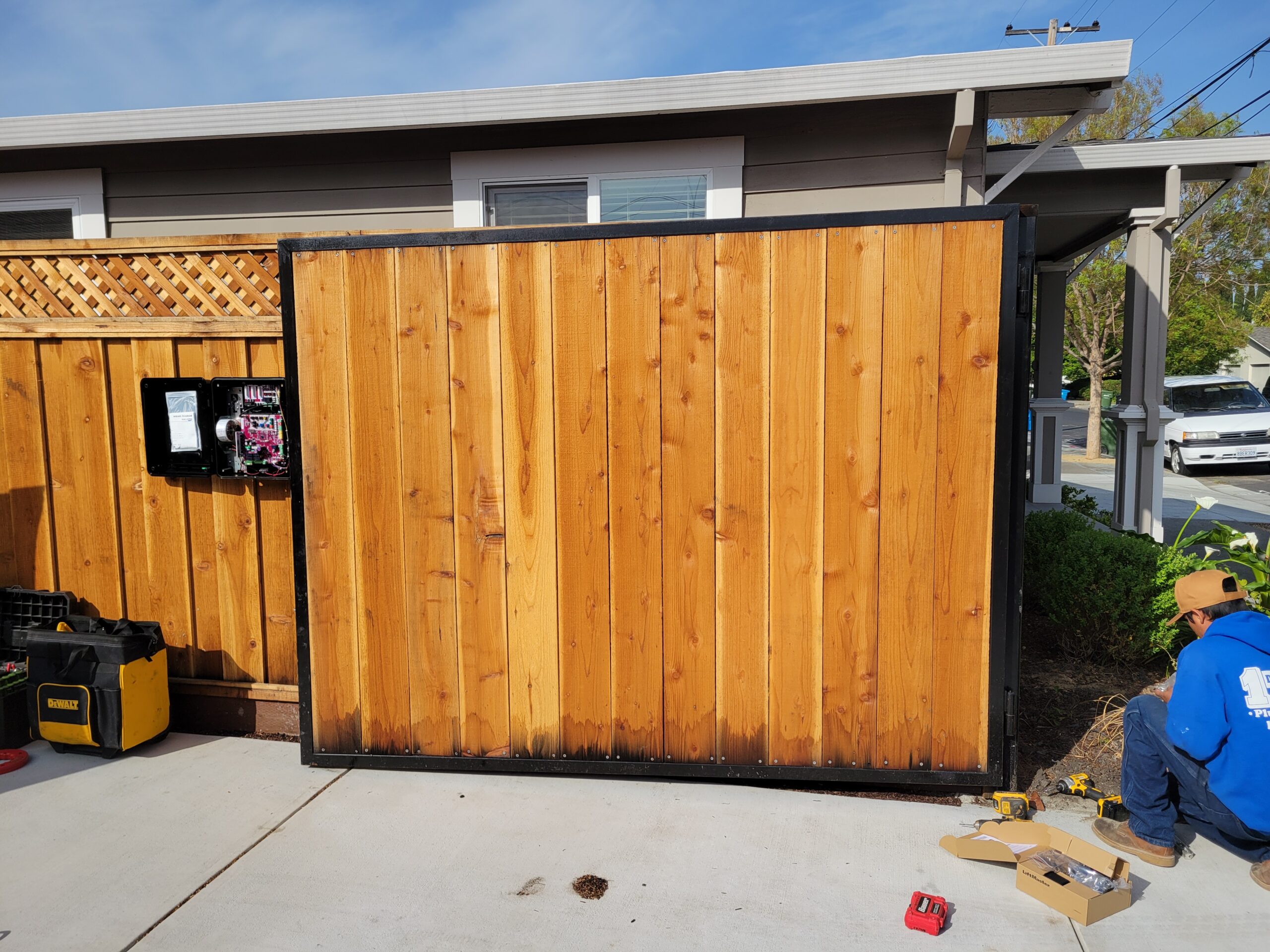
If you choose a smart gate retrofit, you may also need new control boards and safety devices. Planning your wiring early ensures your system runs smoothly for years.
Aesthetic Continuity: Matching New Gates to Old Exteriors
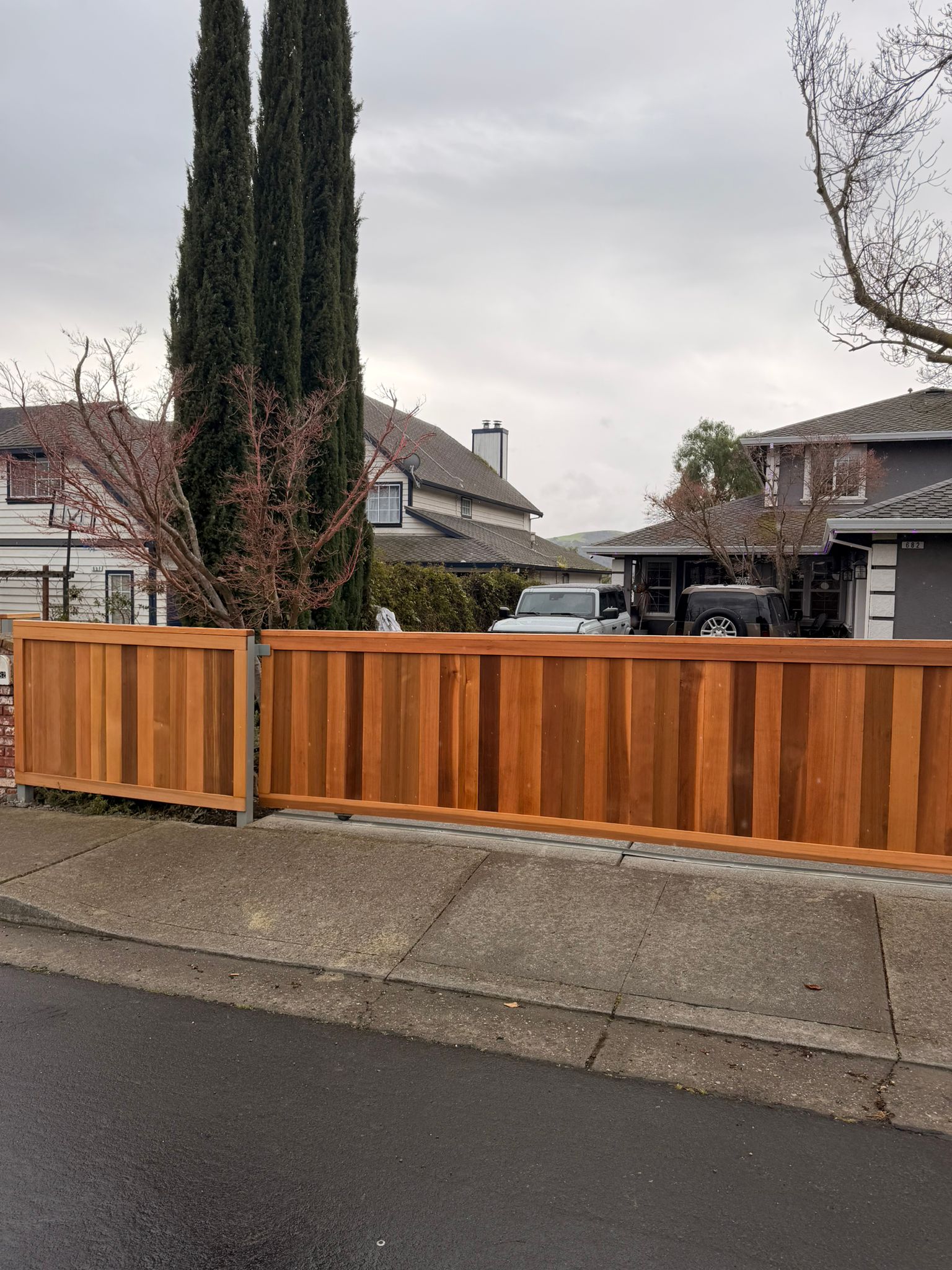
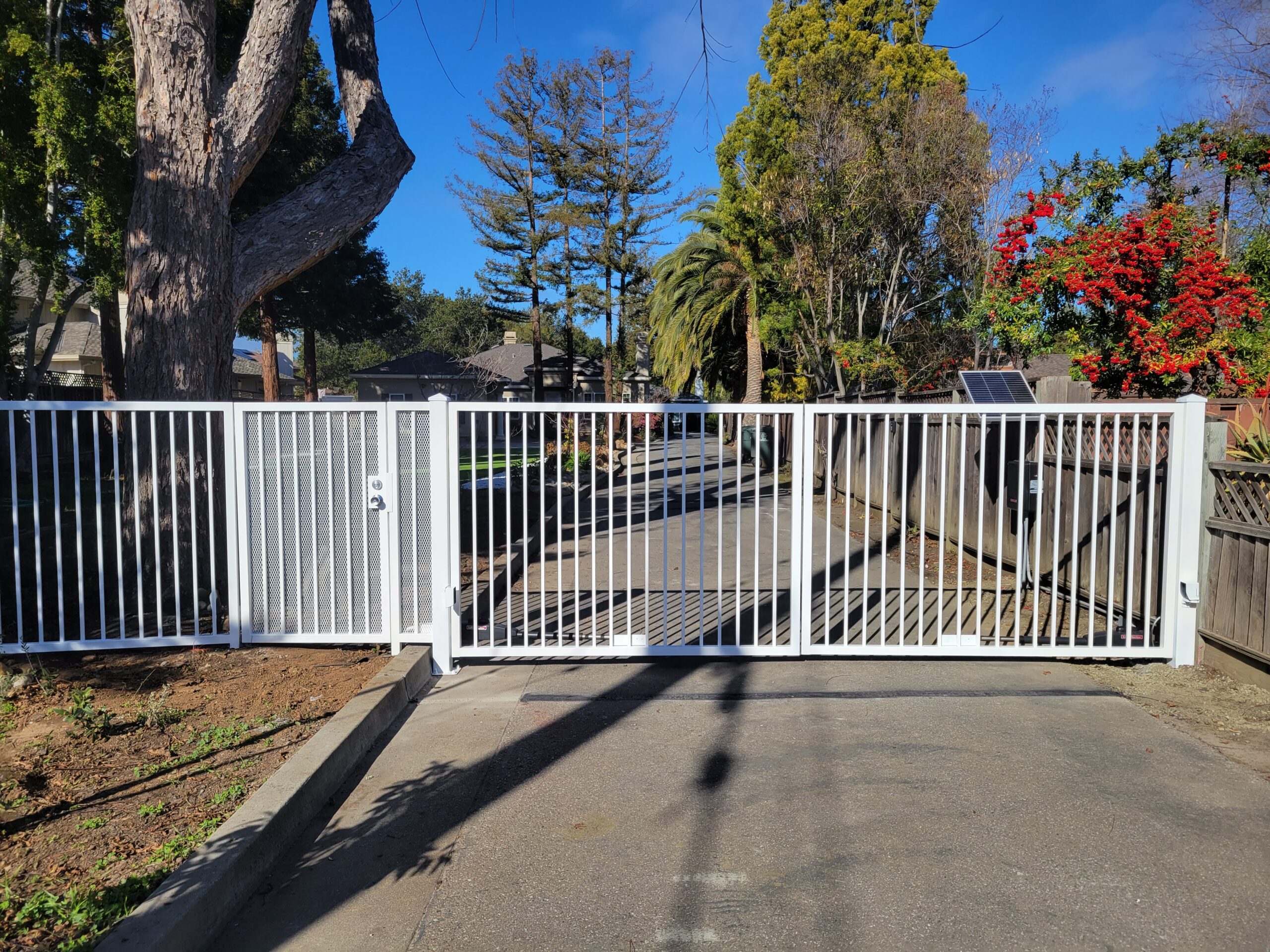
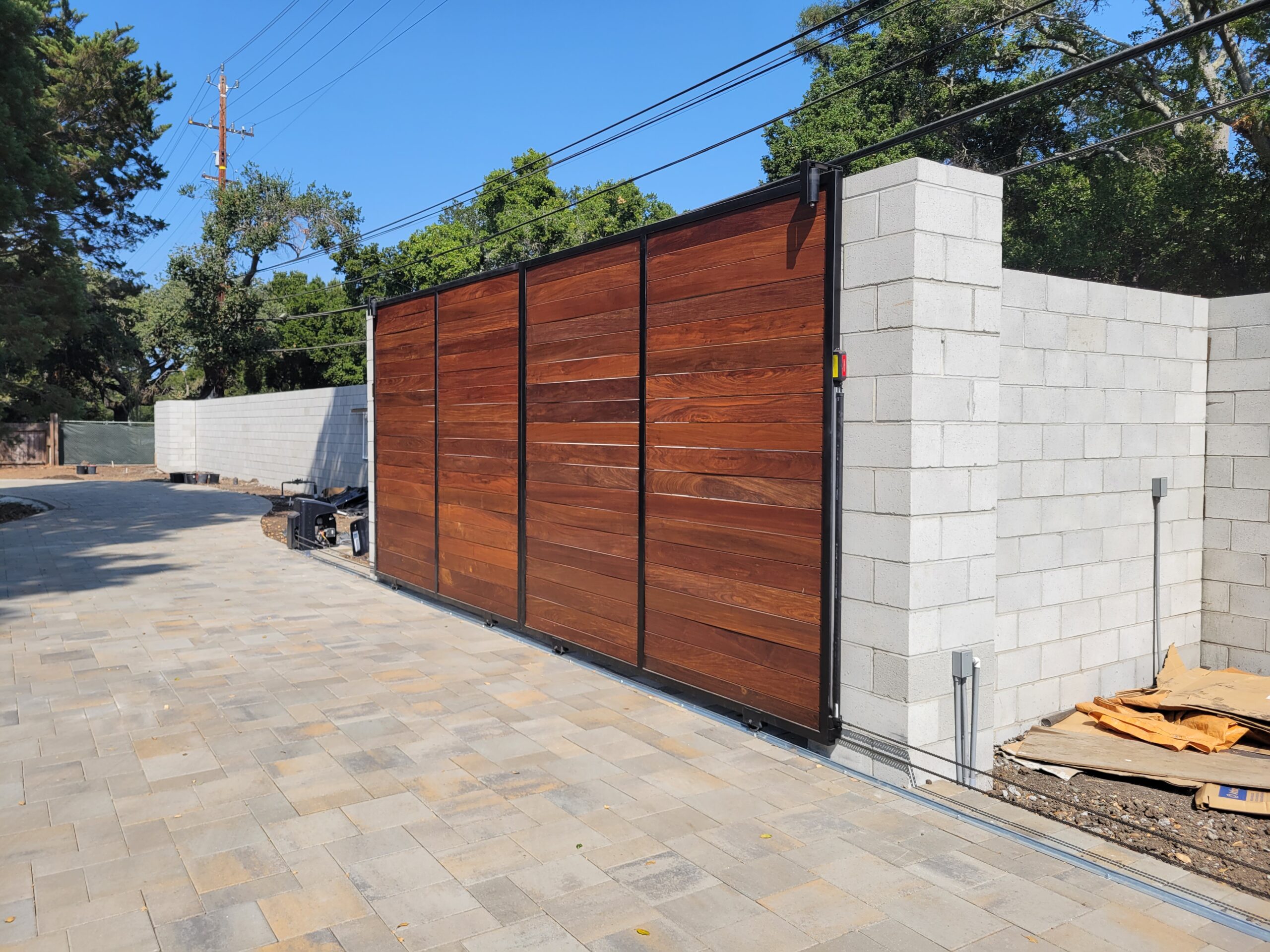
In Santa Clara, homes come in many styles, from charming cottages to modern builds. When replacing or upgrading gates, it helps to think about gate design matching so your new gate complements the rest of your home.
- Material Selection: Use wood, steel, or aluminum that blends with your fence or garage door.
- Color Harmony: Match the gate’s color to your home’s trim or main paint.
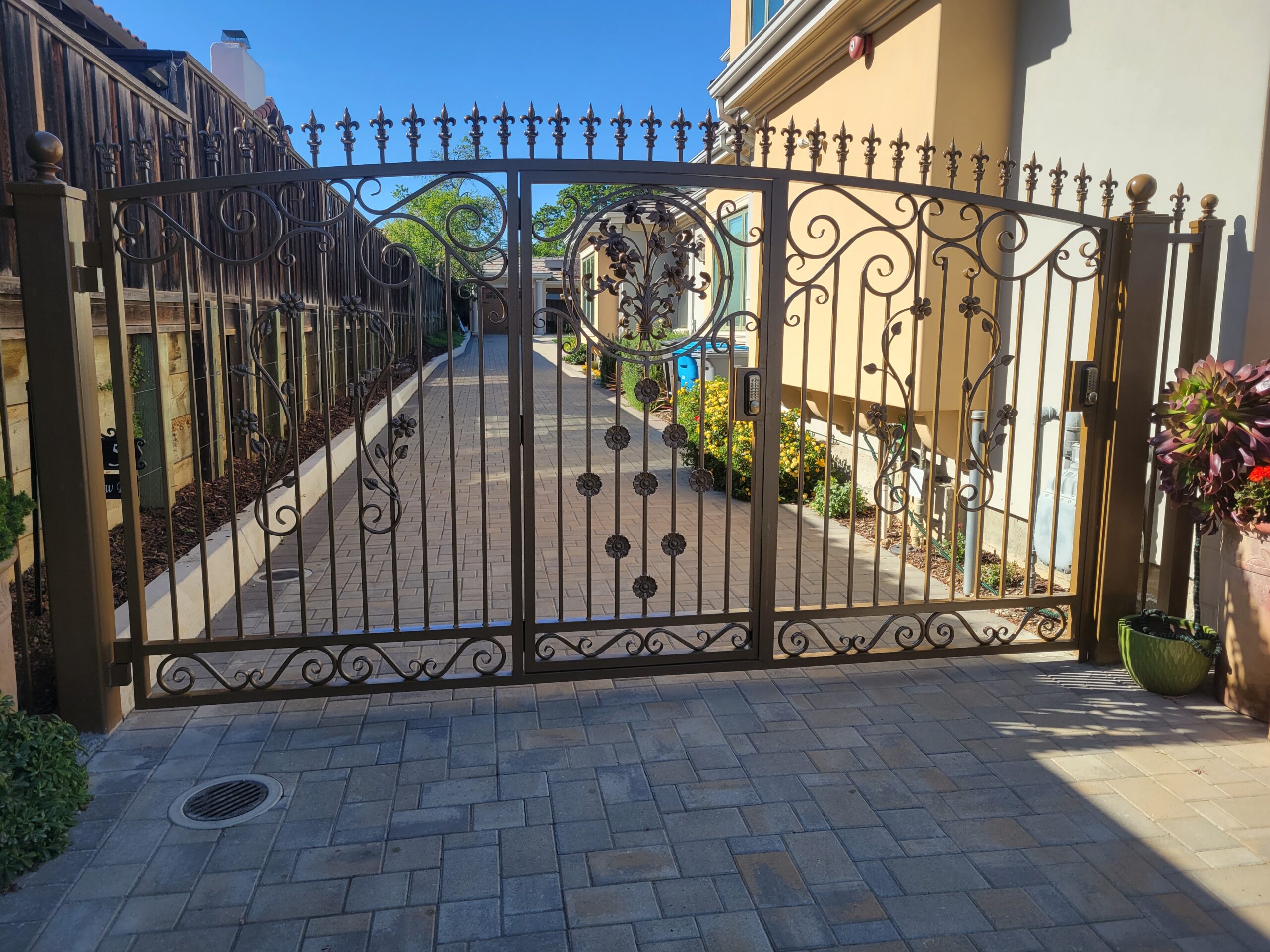
- Architectural Fit: A traditional iron gate may look out of place on a sleek modern home.
Professional installers at RNA Automatic Gates specialize in creating designs that balance modern technology with your home’s existing character. Retrofitted gates can match beautifully too, though there may be some limits if your structure can’t be altered.

Budgeting for Both Paths: What Costs More Long-Term?
Money is always a key factor when comparing new vs retrofit gates. At first, retrofitting looks cheaper, but long-term costs can depend on maintenance and upgrades down the road.
- Retrofit Gate Systems: Lower upfront cost, but older components might require repairs sooner.
- New Installations: Higher starting cost, but fewer breakdowns and better efficiency.
- Maintenance Costs: Retrofitted systems may need more tune-ups if old parts wear out faster.
- Energy Use: Newer motors are often more energy-efficient and can save you money over time.
When setting your driveway gate budget, think about how long you plan to stay in your home. If it’s a short-term fix, retrofitting may be ideal. But for long-term living and maximum reliability, a new installation could be the smarter choice.
Permit Considerations Unique to Santa Clara County
Every county has its own building and electrical codes, and Santa Clara County is no exception. Some projects require specific permits before work begins.
- Electrical Permits: Needed if your upgrade involves wiring changes or new power connections.
- Gate Safety Checks: Automatic gates must meet local safety standards to prevent accidents.
- HOA Rules: If you live in a community with a homeowners association, design approval may be required.
Working with professionals like RNA Automatic Gates ensures your project follows all rules and avoids costly delays. They handle the paperwork and help you stay compliant from start to finish.
Noise, Speed, Security: Performance Metrics You Should Compare
Beyond locks and access controls, modern gate performance depends heavily on loop and sensor systems. These components directly affect safety, speed, and long-term reliability for both retrofitted and newly installed gates.
Exit loop sensors are embedded in the driveway and detect vehicles leaving the property. When properly calibrated, exit loops trigger smooth, automatic opening without sudden motor engagement, reducing wear and unnecessary noise. In retrofit systems, exit loops may require upgraded wiring to function reliably with newer control boards.
Safety loop sensors are designed to detect vehicles or objects within the gate’s travel area. If something is present, the gate pauses or reverses instead of forcing movement. This prevents impact-related damage and protects pedestrians, vehicles, and the gate structure itself.
Edge sensors (safety edges) are installed along the leading edge of the gate. If the gate makes contact with an object, the edge sensor immediately signals the operator to stop or reverse. These sensors are especially important for older retrofitted gates, where structural tolerances may not be as precise as new installations.
Photo eye sensors use an infrared beam to monitor the gate opening. When the beam is interrupted, the gate halts or reverses smoothly. Photo eyes are required by most modern safety standards and are easier to integrate into new installations, though they can also be added during retrofits with proper alignment and wiring.
Common Sensor Issues and Troubleshooting
- Gate reverses with no visible obstruction
- Often caused by misaligned photo eyes or overly sensitive safety loops. Recalibration usually resolves the issue.
- Gate fails to open from inside the property
- This typically points to a faulty or damaged exit loop. Loop continuity testing and rewiring may be required.
- Intermittent stopping during movement
- Edge sensors may be triggering due to loose connections or worn rubber housing. Inspection and replacement restore smooth operation.
- False detections during rain or heat
- Moisture intrusion or temperature expansion can affect sensors. Weatherproofing and proper sealing prevent repeat issues.
- Delayed response or jerky motion
- This can occur when older retrofit control boards struggle to communicate with newer sensors. In such cases, a partial system upgrade improves performance.
Whether you choose a retrofit or a full new installation, properly designed sensor systems play a critical role in keeping your gate quiet, responsive, and compliant with Santa Clara safety standards.
Customization Limits of Retrofitted Gates
A retrofit gate system gives you new life for your existing setup, but there are limits to what can be changed. Some older frames cannot support certain motors or design upgrades.
- Limited Style Options: You may not be able to change the structure’s size or opening type.
- Technology Restrictions: Some high-end smart features require newer hardware that old systems lack.
- Less Future-Proof: Future upgrades may still need a full rebuild later on.
By comparison, a new installation gives you a blank canvas for both design and technology, making it easier to adapt in the future.
Installation Timelines: Fast-Track or Full Build?
If time is a concern, retrofitting is usually faster. Since you’re keeping most of the existing structure, technicians can finish in a few days. A full new gate installation, however, involves design, fabrication, and setup, which can take several weeks.
Homeowners should plan around their schedule. A retrofit is perfect for quick upgrades, while new installations are better if you want to make long-term changes and don’t mind waiting for a more complete result.
Final Checklist: Deciding Which Route Fits Your Home’s Future
Choosing between retrofitting and new installation comes down to your priorities, budget, and long-term vision. Here’s a simple checklist to help you decide:
Choose Retrofit if:
- The gate’s frame is strong and in good shape.
- You want a faster project with less mess.
- Your budget is limited, but you still want smart features.
- You love your current gate design and want to keep it.
Choose New Installation if:
- The existing structure is damaged or outdated.
- You want a full design change or better materials.
- You need modern features like Wi-Fi control or integrated lighting.
- You’re planning to stay in your home for many years.
Both paths can deliver great results when done by skilled professionals. The right installer will help you find the best balance of cost, performance, and style.



Frequently Asked Questions (FAQ)
How long does a retrofit gate system last?
A good retrofit can last 10 to 15 years if maintained properly. The lifespan depends on materials, weather exposure, and how often you use the gate.
Can my old manual gate be turned into an automatic one?
Yes. Most manual gates can be upgraded with motors and smart openers using a smart gate retrofit process.
Do I need permits for a gate installation in Santa Clara?
Yes. Electrical and construction permits are often required, especially for new installations. Always check with your installer before starting.
Are new installations safer?
Generally, yes. New systems include modern sensors, secure locks, and automatic stop features to prevent accidents.
Can I match my new gate with my existing home design?
Absolutely. Professional designers can create gate design matching that complements your home’s look perfectly.
