
Blog & News
Converting Manual Ranch-Style Gates to LiftMaster Swing Automation
jay jay
Feb 23, 2026
Article, Uncategorized
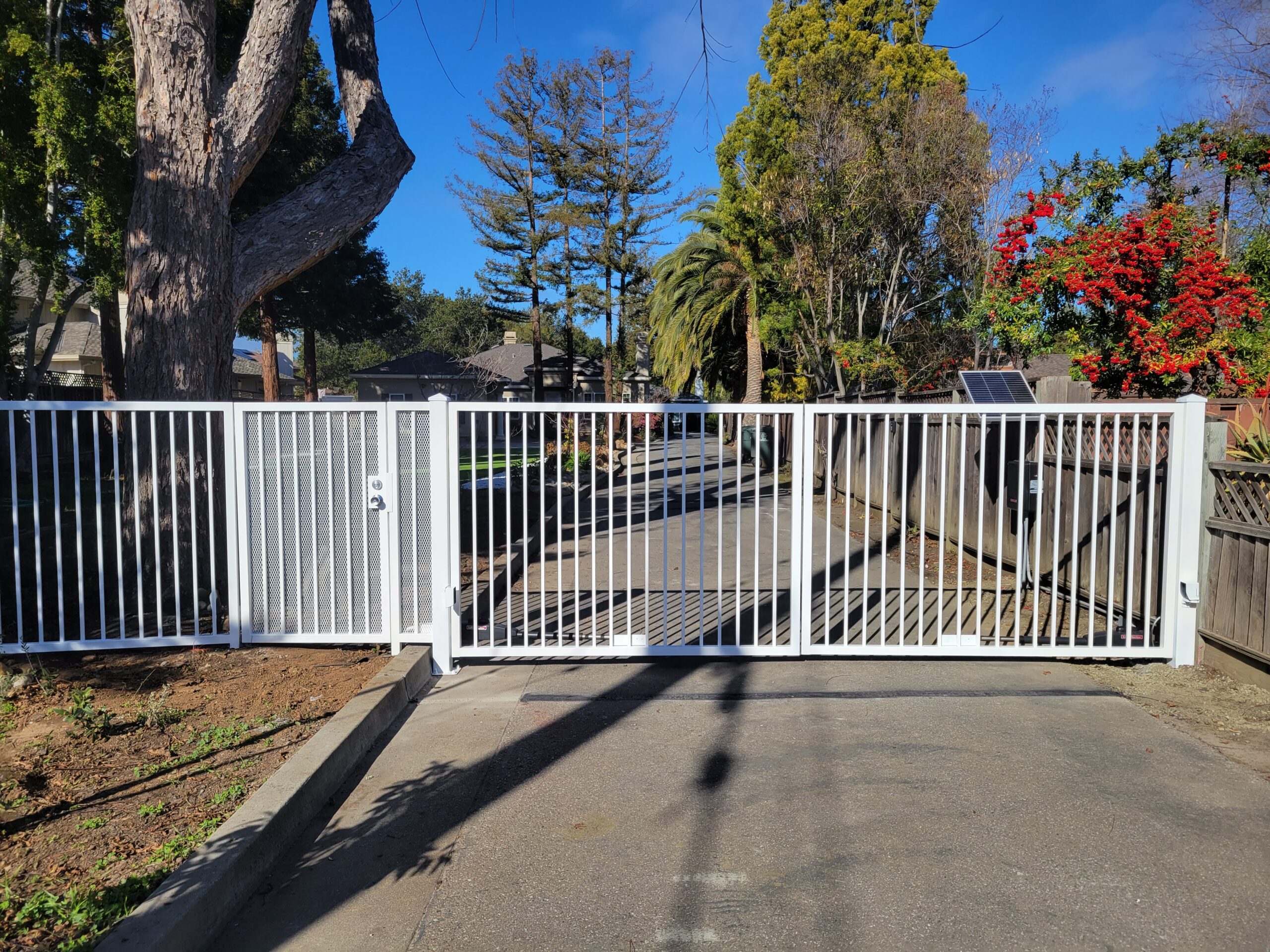
On rural properties where trenching power is expensive or messy, some owners choose a battery-supported setup like Liftmaster solar gate openers to keep a swing system running without a long underground run.
A ranch gate that works fine by hand can behave very differently once a motor moves it every day. Automation repeats the same motion at the same speed and force, so hinge wear, post lean, and slight frame twist stop being “minor.” A durable ranch gate automation plan starts with the gate as a mechanical structure, then adds the operator, wiring, safety devices, and access tools in a way that matches ranch traffic patterns.
RNA Automatic Gates, a Gate and Garage Door Repair and Installation company serving California, approaches each swing gate retrofit as a whole system. That includes the gate’s geometry and the power delivery, not just the operator model.
Ranch Gate Reality Check: Weight, Span, and Swing Physics
A swing gate is a lever. As leaf length grows, the load at the operator climbs quickly, even if the gate only feels “a little heavier” by hand. Material choices matter too: a pipe frame with open rails moves differently than a wood-faced leaf that carries weight farther from the hinge line. Before picking an operator, measure the leaf length, estimate true weight (including skins and hardware), and test how freely the gate moves through its full swing. If it drags, binds, or speeds up downhill, that friction shows up as slow travel, nuisance stops, and faster wear once the motor takes over. A clean manual gate conversion starts with a gate that already swings smoothly.
Post and Hinge Integrity: Automation Exposes Weak Links
- Sag becomes a daily problem. A latch-side droop that you lift by hand becomes a consistent scrape or stall under power.
- Hinge play turns into misalignment. Worn barrels and loose pins let the leaf shift, which changes limits and stop contact.
- Post flex shows up as chatter. If the hinge post moves, the operator pushes a moving target and hardware fatigue follows.
- Frame twist creates mid-swing binding. A racked gate can swing freely at one angle and bind hard at another.
- Gate hinge reinforcement often fixes the root cause. Common upgrades include bearing hinges, thicker hinge plates, gussets, backing plates, and correcting hinge axis alignment.
- Footings matter more than most owners expect. Shallow or cracked footings allow lean and reintroduce sag even after hinge work.
Operator Selection Logic: Linear vs. Articulated for Ranch Geometry
LiftMaster swing systems generally fall into two mechanical styles: linear actuators (straight push-pull) and articulated arms (jointed sweep). The “best” choice is usually the one that fits your post layout, hinge setback, and desired opening angle without forcing awkward bracket placement.
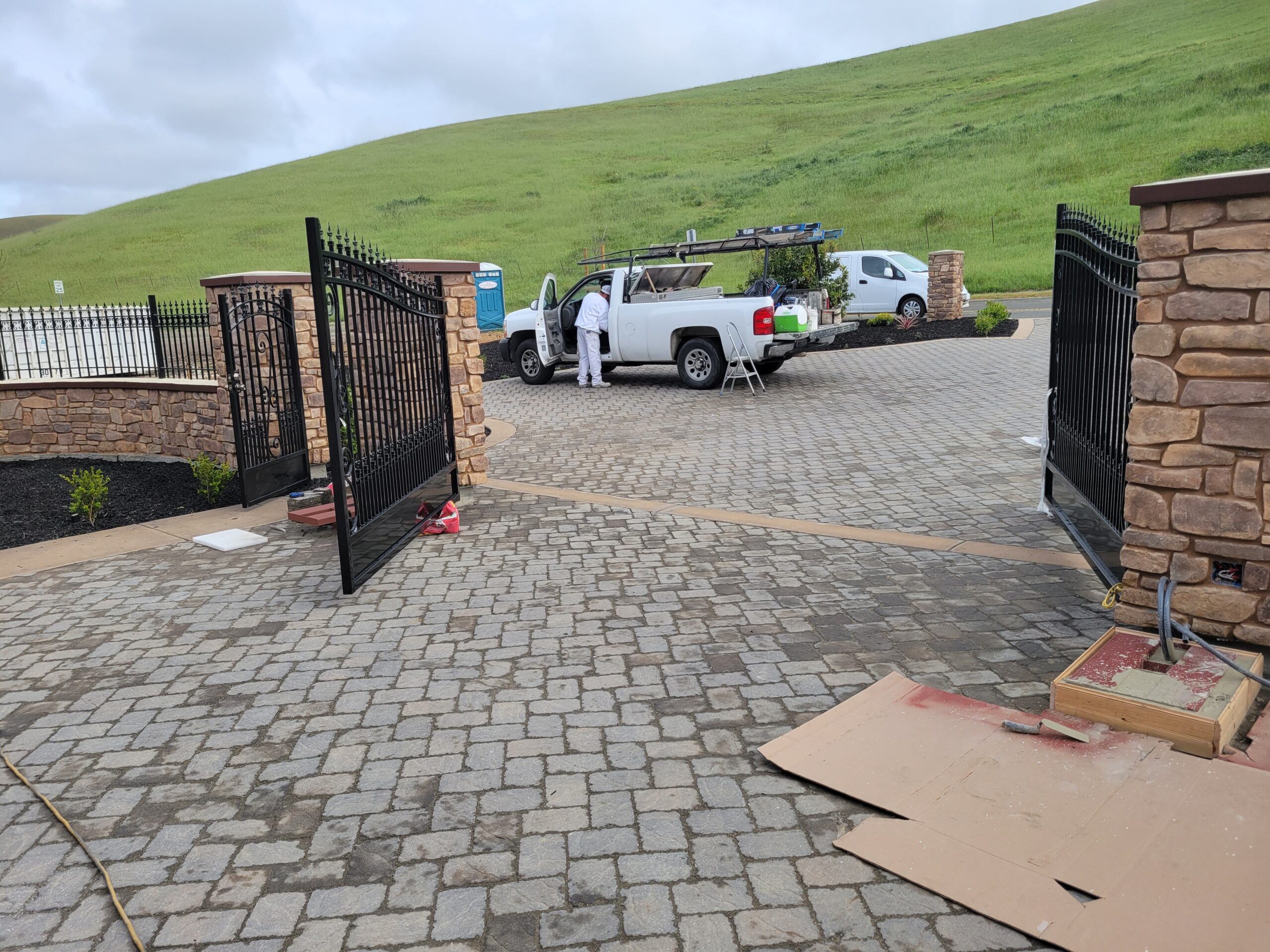
Linear actuators fit well when the hinge pivot is close to the inside face of the post and the operator can push at a strong starting angle. They are straightforward to service and pair nicely with stiff steel ranch gates. Articulated arms tend to work better when hinges are set back on thick wood posts, masonry columns, or decorative builds where a linear actuator would start the swing at a weak angle. If you hear people ask for a “liftmaster ranch gate,” what they usually want is a LiftMaster swing operator applied with correct geometry and enough headroom for ranch conditions.
Mounting Geometry: The Triangle That Determines Everything
- Gate mounting geometry is three points. Hinge pivot, post bracket, and gate bracket form the working triangle.
- Bad geometry causes slow starts. A shallow push angle at the beginning lacks leverage to overcome hinge friction.
- Bad geometry causes late-swing strain. Brackets placed incorrectly can bind near closed or hit stops too hard.
- Opening angle changes the math. A 90-degree swing and a 110-degree swing can require different bracket distances.
- Driveway crown and grade affect load. The gate may feel light at one angle and heavy at another, depending on terrain.
- Mark the swing arc. A simple chalk line can reveal high spots, fence conflicts, and where the leaf flexes.
- Treat the triangle like the foundation. When gate mounting geometry is right, tuning is simpler and service calls drop.
Power Planning for Long Driveways: Voltage Drop and Trenching Strategy
Long rural runs turn wiring into the make-or-break item. The operator can be perfectly sized and still act erratic if voltage at the gate drops under load. That is why “just extend the wire” creates recurring faults: slow movement, random resets, false obstruction stops, and batteries that never charge correctly. Solid driveway gate power planning starts with real distance measurements, conductor sizing for the load, and a conduit route that can be serviced later.
For trenching, use conduit sized for pulls and future add-ons, with long-sweep bends and accessible junction points. Keep splices out of buried “mystery spots” and inside rated boxes with service access. If your project requires long run wiring, design it like utility work: correct gauge, clean terminations, moisture protection, and separation of high voltage and low voltage pathways where practical.
Solar-Assist Options: When Off-Grid Becomes the Cleanest Choice
- Distance is the main trigger. When trench length makes copper and labor spike, solar can be cheaper and cleaner.
- Hardscape crossings push projects toward solar. Asphalt, concrete, rock, and drainage features raise trench complexity.
- Cycle count needs to match battery capacity. Moderate daily use is easier to support than constant traffic.
- Accessory load matters. Keypads, long-range receivers, loops, and intercoms add draw that must be budgeted.
- Panel placement must avoid shade. Morning and afternoon shading can cut charging more than owners expect.
- Batteries are the buffer. More storage smooths cloudy stretches and reduces voltage sag under load.
- A solar gate option is still an engineered power plan. It succeeds when the site, usage, and equipment are sized to match.
Latch and Stop Engineering: Closing Without Slamming or Drift
A motorized swing gate needs predictable endpoints. Without mechanical discipline at open and closed, the system will drift, bounce, or slam, and the operator will absorb loads it should not be taking. Mechanical stops take impact and holding force away from the operator arm, while a good latch holds alignment against wind and minor grade.
On ranch gates, latching has to work with dust, mud, and gloves. The goal is simple: the leaf lands in the same place every time, stays there in gusts, and releases cleanly on the next cycle. Stable stops and latching also reduce “creep” that can throw off limits and make the gate look crooked over time.
Wind Load and Gate Sail: Designing for Gusts and Open-Cycle Stability
- Sail area drives force. Solid wood skins and sheet infill catch more wind than open rail designs.
- Bracing prevents flex. Diagonal bracing and rigid corner joints reduce shudder and arm fatigue.
- Post stiffness is a wind feature. If the hinge post moves in gusts, everything else suffers.
- Stop placement affects stability. A solid open stop keeps the gate from rocking while parked open.
- Tune speed and decel for control. Smooth deceleration reduces bounce into stops.
- Do not “solve” wind with force alone. Higher force can increase wear and still not fix vibration.
- Design for wind load gates from the frame outward. Structure first, then settings and hardware.
Looking for Affordable Garage & Gate Repairs?
We offer quality service at competitive rates. Call (650) 912-1200 today to schedule your repair.
Safety Layering for Rural Properties: People, Animals, and Vehicles
Rural entrances mix kids, working dogs, horses, trailers, ATVs, and visitors who do not expect an automatic gate to move. Safety devices should match the property’s actual use paths, not just a generic diagram. Photo eyes should be positioned for real vehicle lines, and edge sensors should cover crush zones where a person or animal could be caught.
Vehicle detection (loops or probes) can prevent closing on long wheelbases and trailers that linger in the gate zone. Simple visual cues like reflective markers or a clear sign reduce confusion at night without changing the ranch feel. Safety is part of the system design, not a last-minute add-on.
Access Methods That Fit Ranch Life: Remotes, Keypads, and Long-Range Entry
- Remotes fit daily drivers. Quick access from trucks, UTVs, and work vehicles.
- Keypads fit multi-user properties. Codes can be updated without collecting remotes from staff or guests.
- Long-range entry reduces stop-and-wait. Helpful for frequent traffic and poor weather days.
- Plan for gloves. Larger buttons and simple workflows matter on working properties.
- Match access to vehicle types. Trailers and wide turns influence where triggers should be recognized.
- Think about visitor flow. Delivery drivers and service crews need a predictable entry method.
- Keep it consistent. Fewer “special cases” means fewer times the gate gets left open.
Aesthetics and Hardware Harmony: Modern Automation Without “Suburbanizing”
Ranch owners often want modern function without changing the look. That comes down to tidy mounting, finish choices, and clean wiring routes. Place brackets and arms where they read as part of the gate build, and run conduit along rails or behind posts when practical so cables are protected and not visually loud. Matching hardware finish to existing steelwork helps the system blend in, while still keeping key components accessible for service.
First-Year Maintenance Rhythm: Settling, Retightening, and Re-Leveling
- Weeks 2 to 6: recheck bracket bolts, hinge fasteners, and latch alignment after the system cycles under load.
- Listen for new sounds: squeaks, clicks, and grinding usually signal hinge wear or developing bind.
- Watch the closed line: if the meeting point shifts, correct sag or stop contact early.
- Lubricate the hinge system as designed: grease points and bearings need clean service in dusty areas.
- Test safety devices monthly: photo eyes, edges, and vehicle detection should be confirmed, not assumed.
- Avoid “force creep.” If you keep raising force to mask binding, wear accelerates.
- Seasonal checkups help. Soil movement and temperature swings can shift posts slightly over time.



Frequently Asked Questions (FAQ)
Can my existing ranch gate be automated, or do I need a new gate?
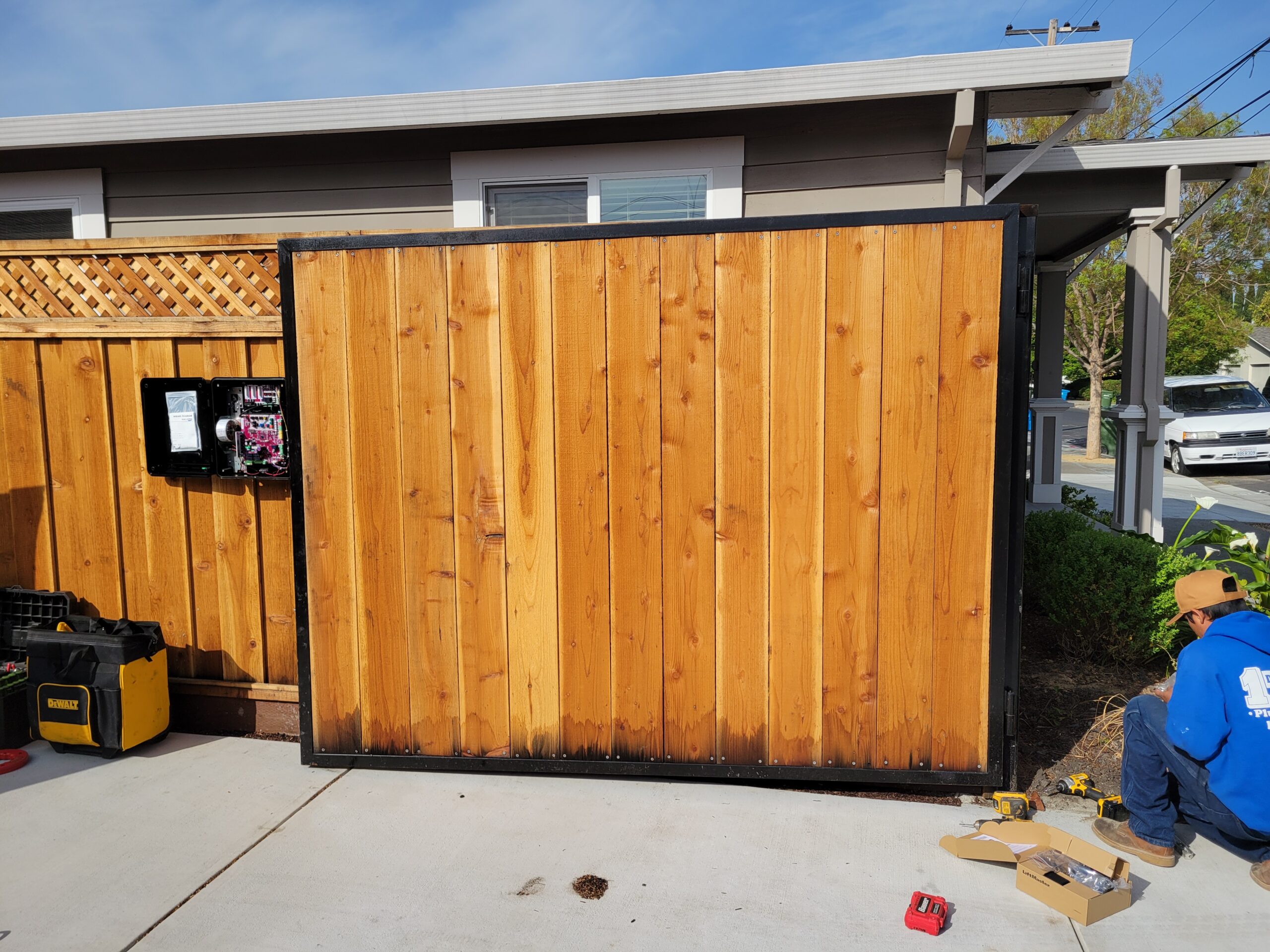
Most ranch gates can be automated if the leaf swings freely and stays square. If the gate drags, binds, or has hinge slop, fix those mechanical issues first. That prep work is what makes a manual gate conversion last.
What usually causes a swing gate to stall or reverse after automation?
The top causes are hinge friction, post flex, sag, and incorrect gate mounting geometry. When the operator is forced into a weak push angle, it works harder and trips more often.
Do I need gate hinge reinforcement before adding a LiftMaster operator?
If you have sag, wobble at the hinge side, worn hinge barrels, or a leaning post, gate hinge reinforcement is typically the right move. Reinforcement can mean bearing hinges, gussets, thicker hinge plates, post sleeves, or rebuilding footings.
Linear actuator or articulated arm: which is better for a swing gate retrofit?
It depends on setback and layout. Large hinge setback (thick posts/columns) and wider opening angles often favor articulated arms. Cleaner post geometry with correct bracket distances often suits linear actuators. A good swing gate retrofit matches operator style to the site geometry.
My driveway is long — what’s the biggest power mistake people make?
Using undersized conductors or “adding wire” without planning voltage drop. Long distances call for a real driveway gate power plan with proper conductor sizing, conduit routing, and serviceable junction points. That’s the foundation for stable long run wiring.
